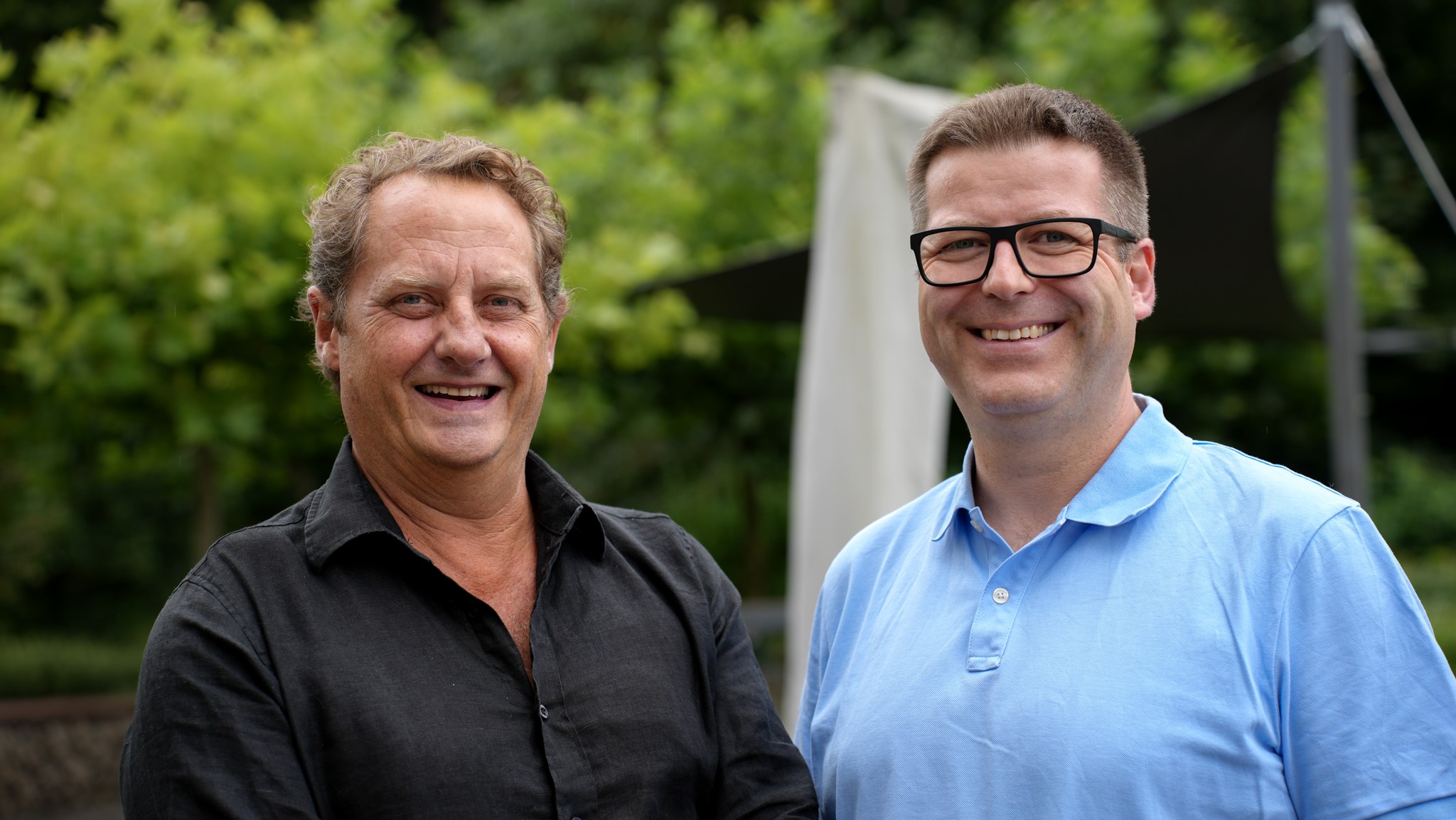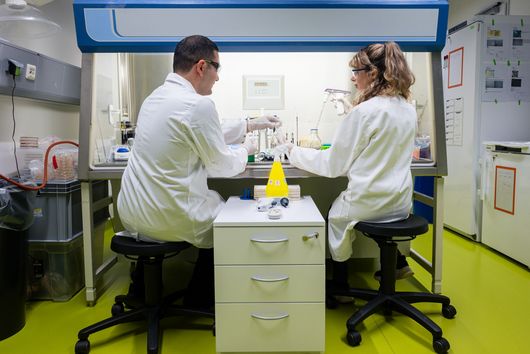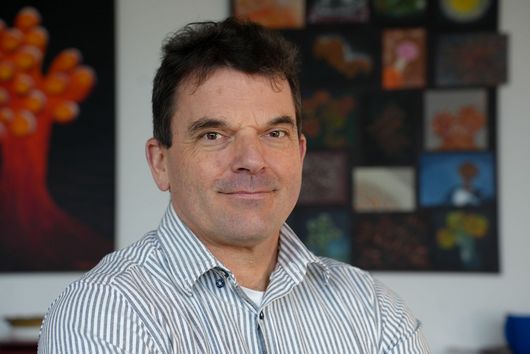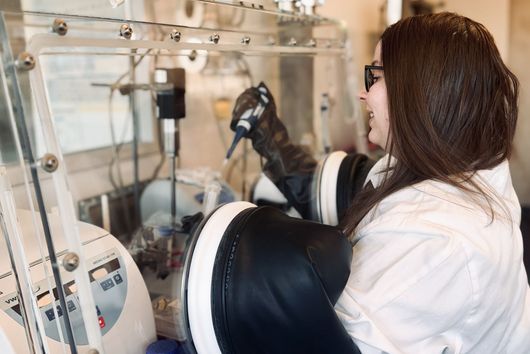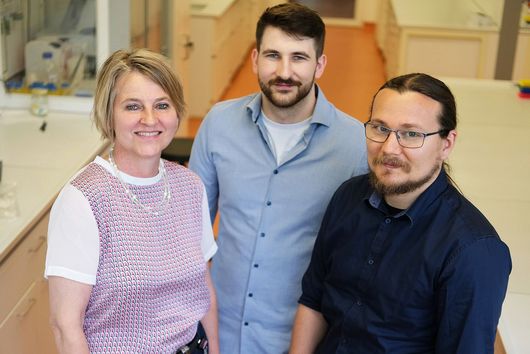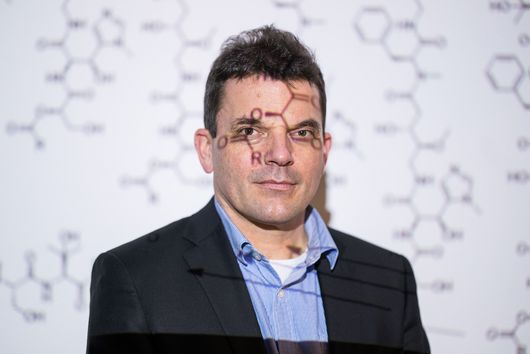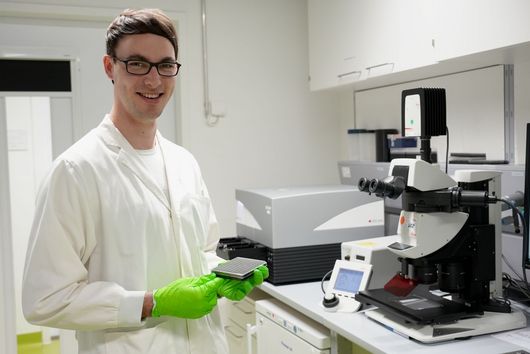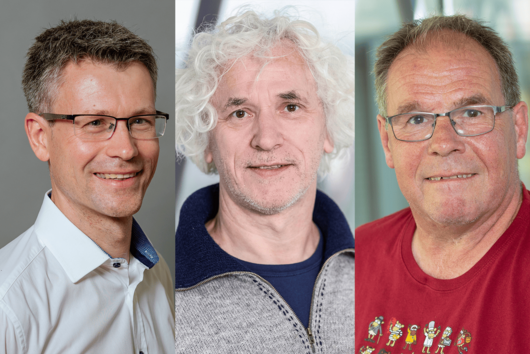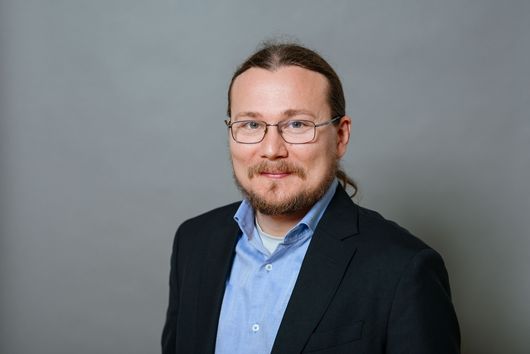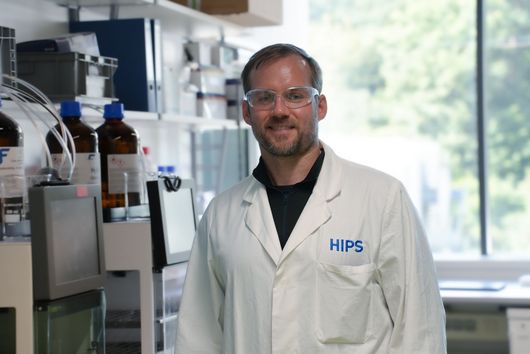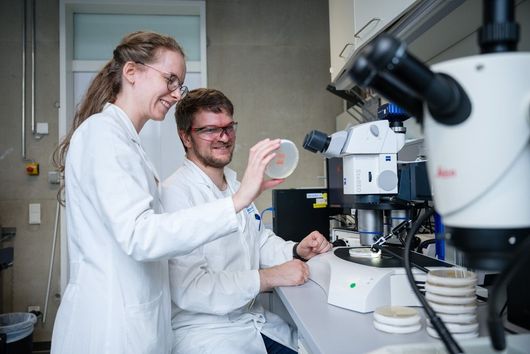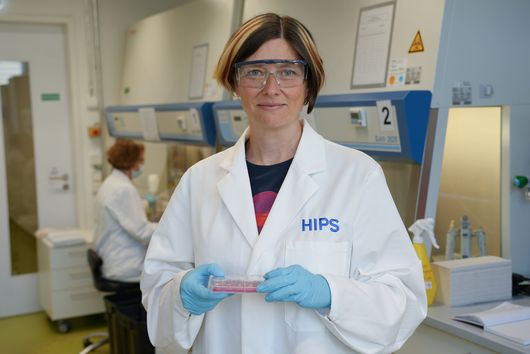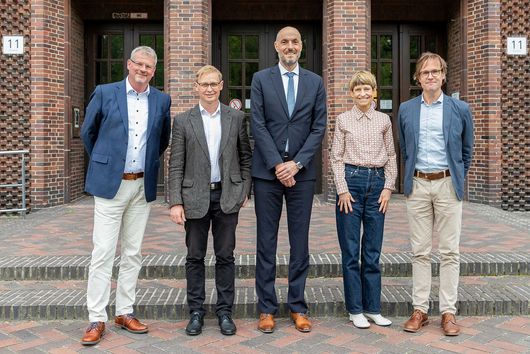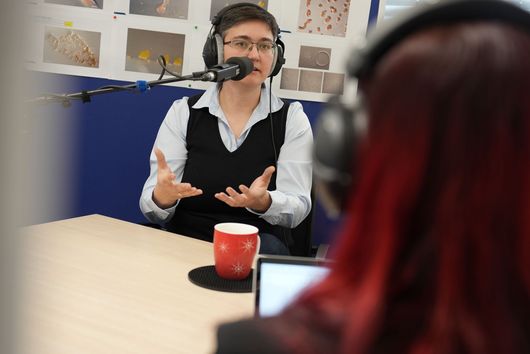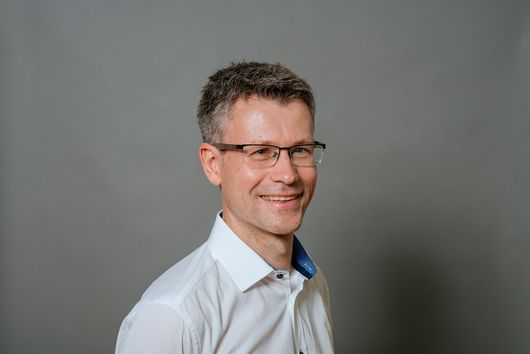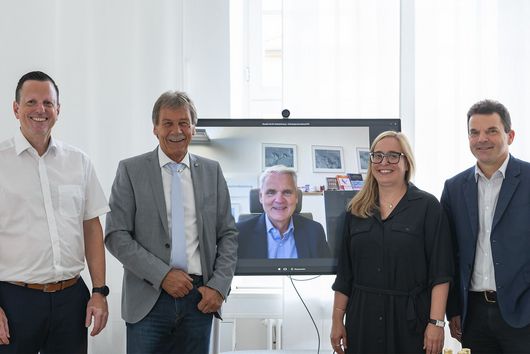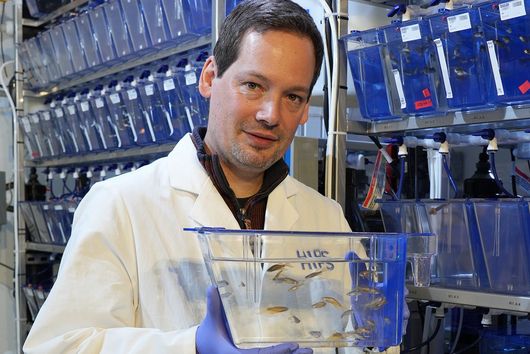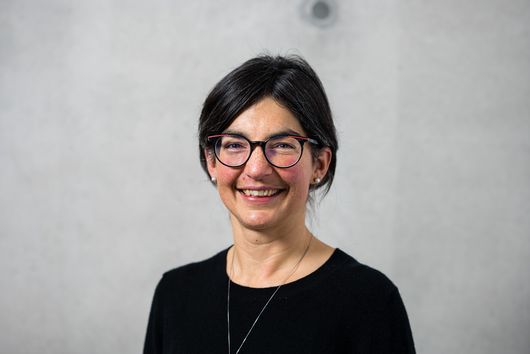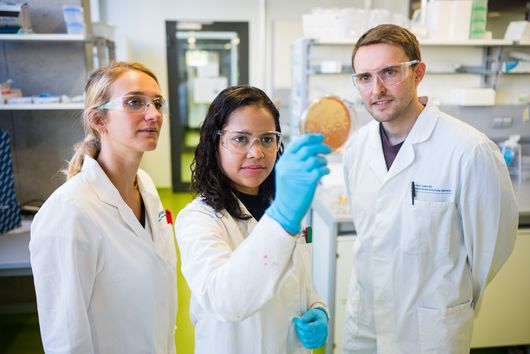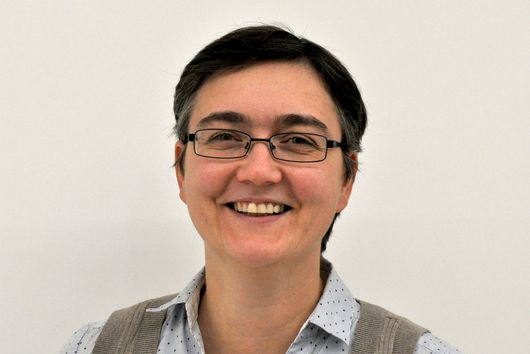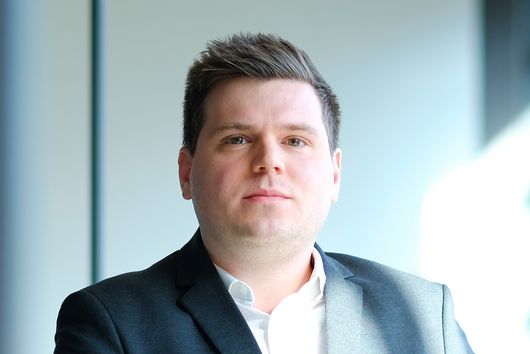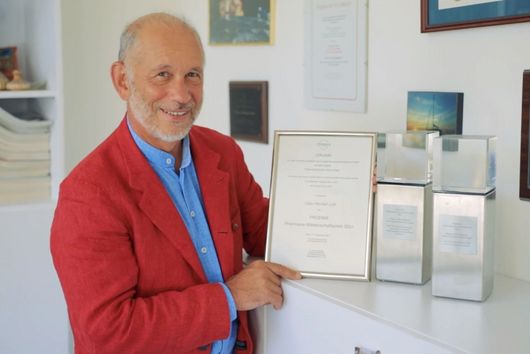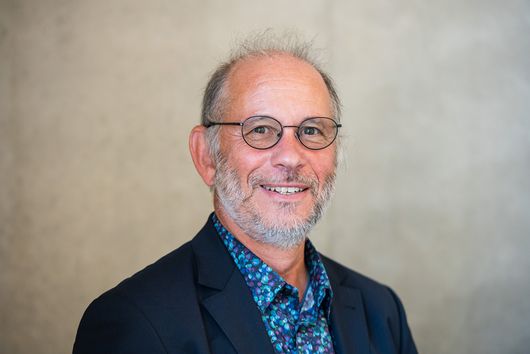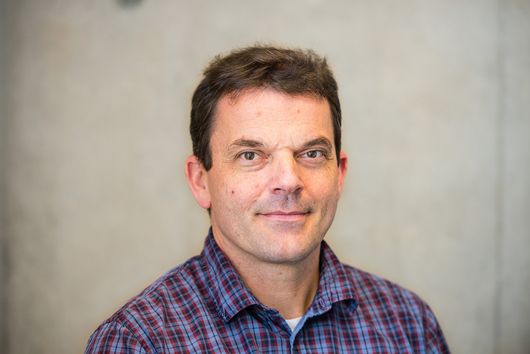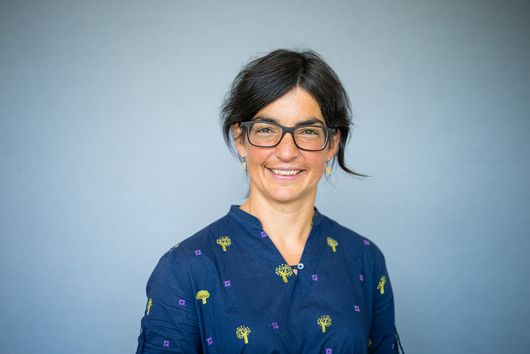
Saarbrücken, 6 August 2025 – Brett Neilan, internationally renowned expert on cyanobacterial natural products at the University of Newcastle, is currently spending a sabbatical at the Department of Natural Product Biotechnology at HIPS. The aim of his stay is to become more involved in laboratory work and the direct supervision of young scientists, to learn about new methodological approaches, and to expand collaborations.
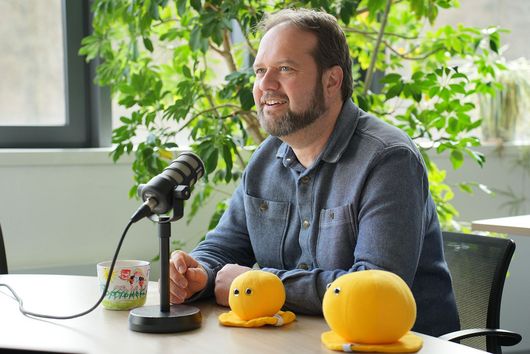
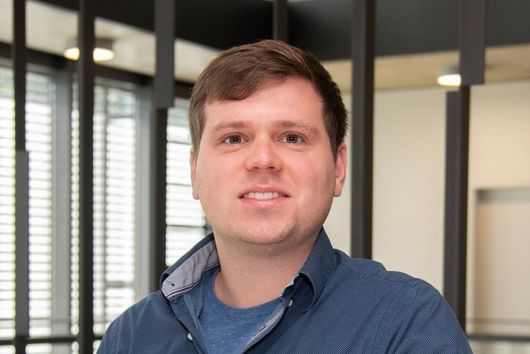
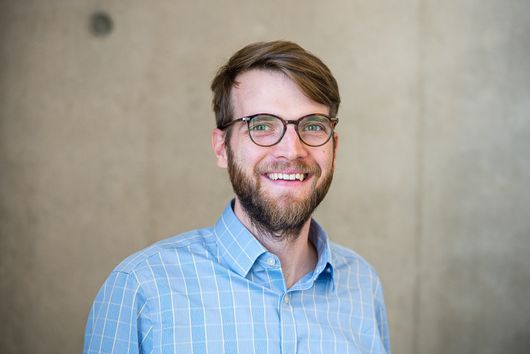
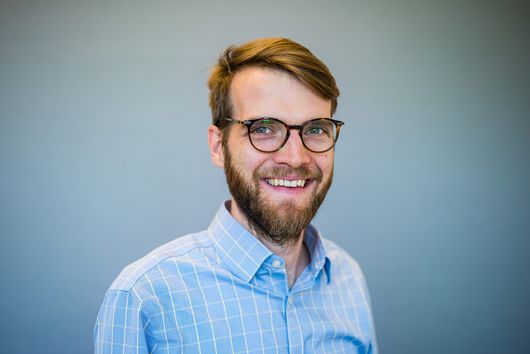
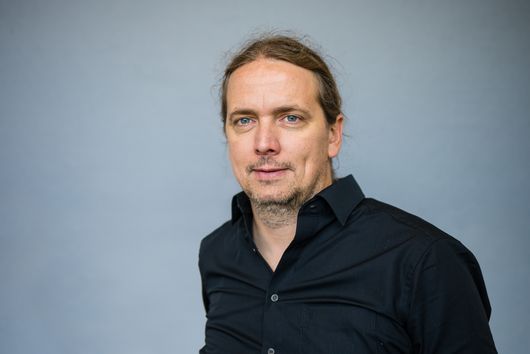
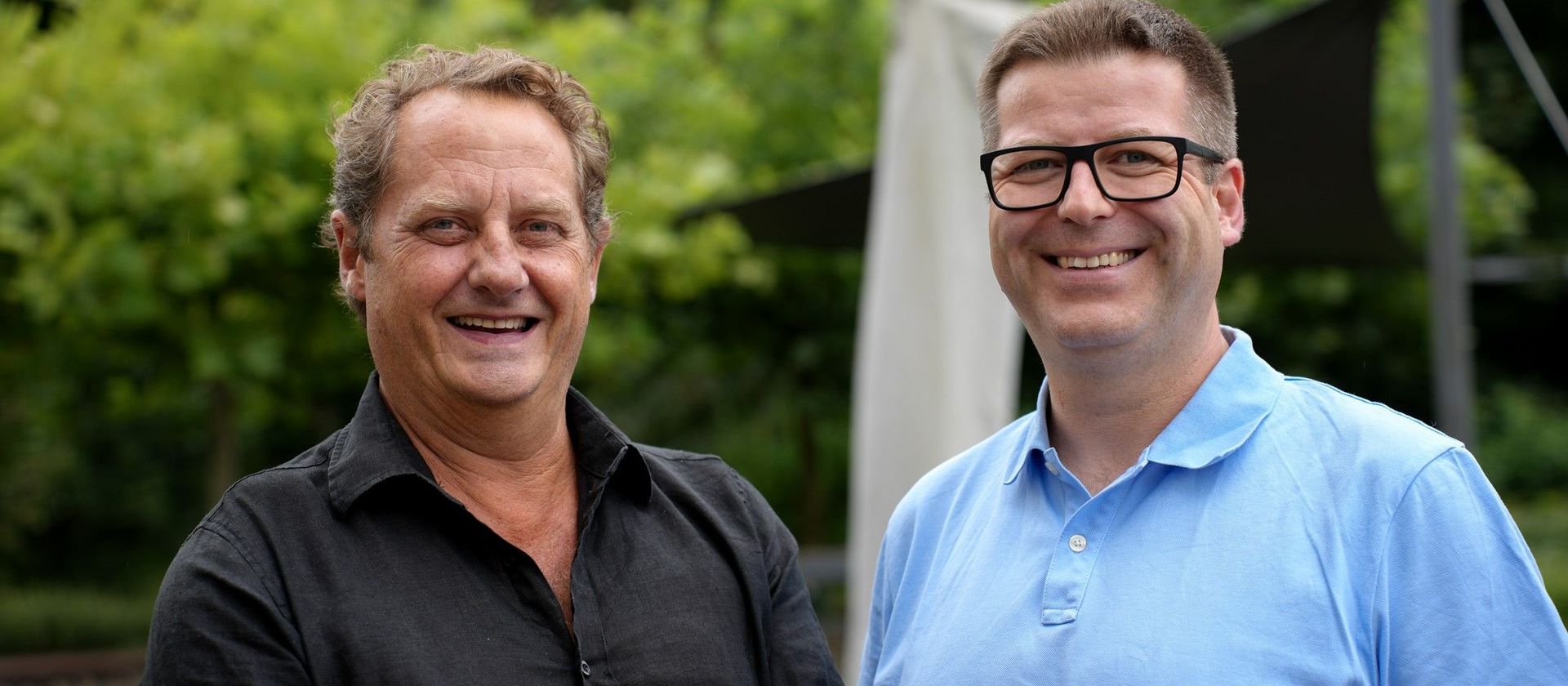
“I felt overwhelmed by paperwork and wanted to get back to real research,” says Neilan. “Here at HIPS, I can work directly with young scientists in the laboratory again – and at the same time learn an incredible amount from my colleagues.” The connection between Neilan and HIPS has existed for many years. An important point of reference is Dr. Paul D'Agostino, who joined Prof. Tobias Gulder's research group in 2016 after completing his doctorate in Neilan's laboratory. Since Gulder and his team moved to HIPS, D'Agostino has been working in the Natural Product Biotechnology department, which Gulder has headed since 2024. “Brett's expertise in cyanobacteria research complements our work perfectly,” says Gulder. “In Paul's project in particular, this creates exciting synergies that we would not have without this exchange.”
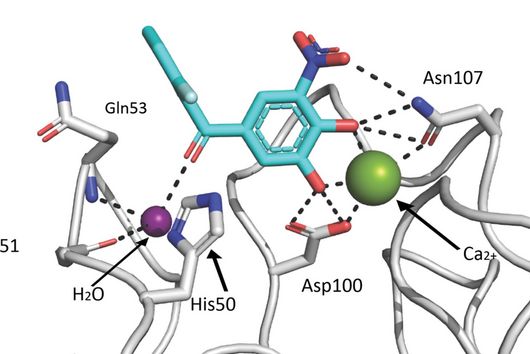
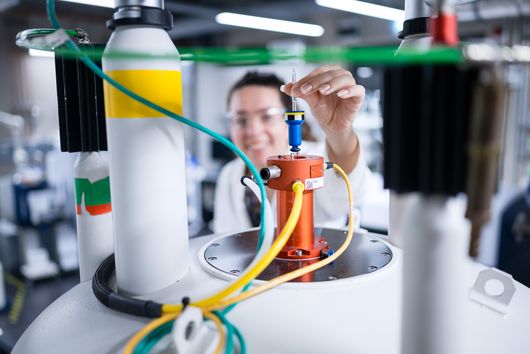
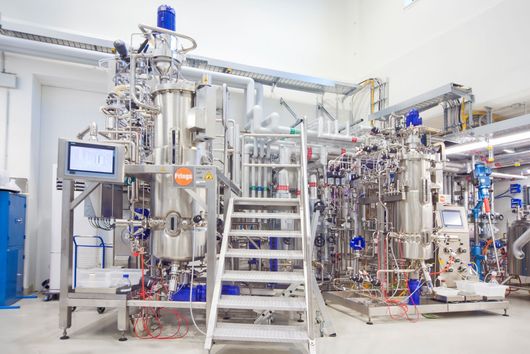
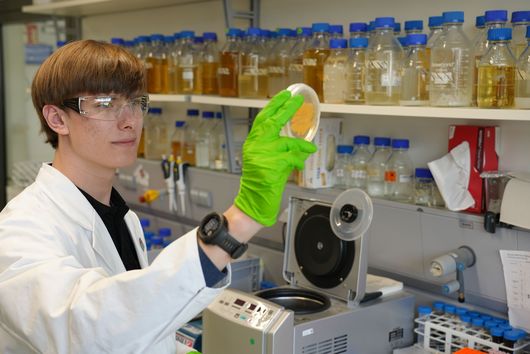
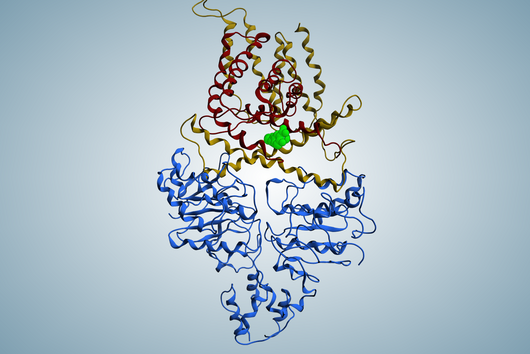
Tobias Gulder's department focuses on the targeted discovery and optimization of bacterial natural products with anti-infective effects. This involves combining classic methods of natural product chemistry—such as the cultivation of producer strains and the isolation of the natural products formed—with modern methods of synthetic biology and biotechnology. A special feature is the development of highly efficient biocatalytic and chemo-enzymatic processes that use enzymes as natural tools to produce or structurally modify complex active ingredients in a targeted and resource-efficient manner.
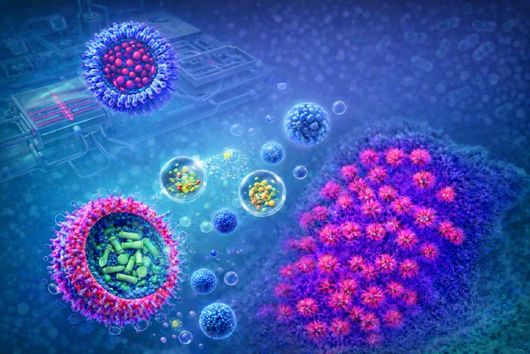
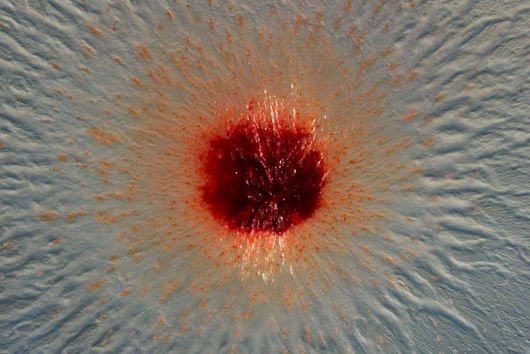
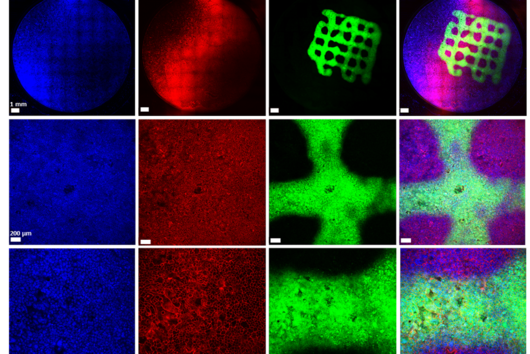
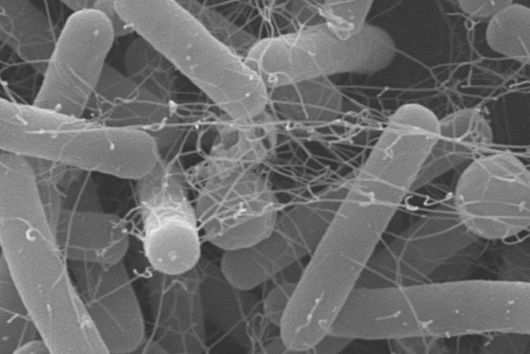
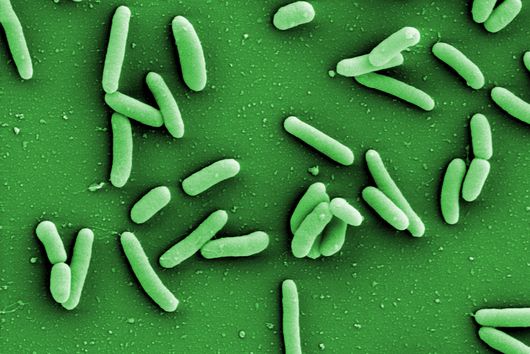
A current research focus is cyanobacteria as a source of new natural products. Paul D'Agostino coordinates an area in Gulder's team that deals with cyanobacteria from symbiotic communities, such as lichens, which have hardly been researched to date. New cloning methods and biotechnological production systems are being developed to harness their potential for drug research. Neilan's many years of expertise in the genetics, biosynthesis, and metabolic elucidation of cyanobacteria provide crucial impetus for this work. At the same time, Neilan benefits from the molecular biology platforms at HIPS—including genome mining, cloning technologies, and the ACTIMOT platform—a diversity that is not available in such a concentrated form at hardly any other location.
Neilan has also known Prof. Rolf Müller, the scientific director of HIPS, for almost 20 years. The two met in the US, connected by their work on slow-growing bacteria: Neilan on cyanobacteria, Müller on myxobacteria. With a wink, they founded the “Club of Slow-Growing Bacteria” back then. “Brett has set global standards in his field,” says Müller. “The fact that he is now here creates exciting opportunities for new research projects – and at the same time brings a lot of energy and humor to the institute.”
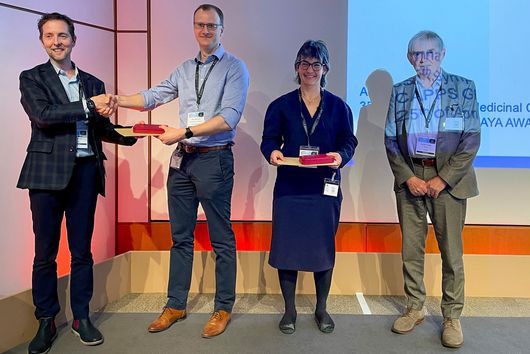
Even before Neilan's stay at HIPS, he, Gulder, and D'Agostino had successfully used DAAD-funded exchange programs to send scientists between Australia and Germany. Plans for the future include bringing more doctoral students and postdocs from Neilan's research group to Saarbrücken for research stays. “It's a win-win situation,” Neilan summarizes. “We contribute our expertise in cyanobacteria research and at the same time benefit from the exceptional molecular biology and biotechnology methods developed here.” This exchange creates a fruitful interaction between Australian cyanobacteria expertise and German cutting-edge research in natural product biotechnology – a perfect example of international cooperation in practice at HIPS.