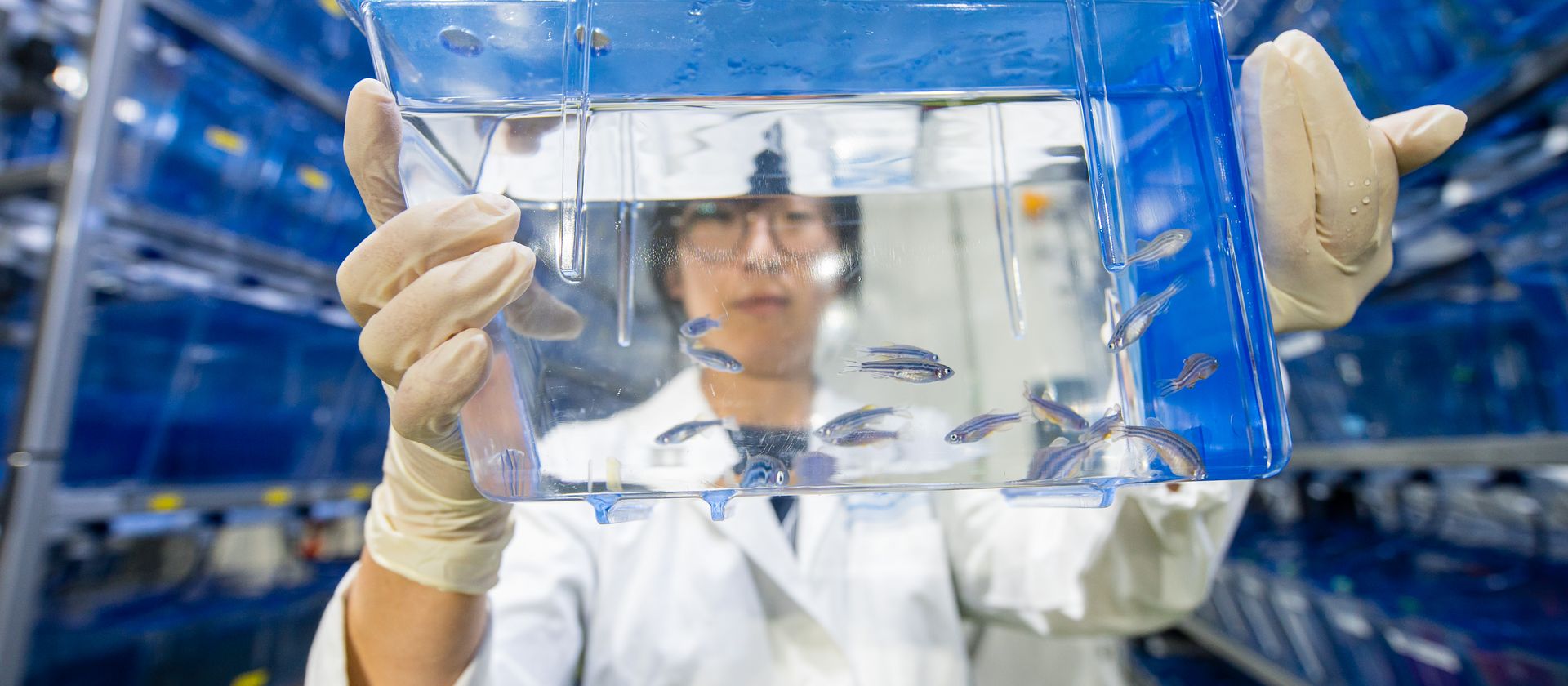
Aqua Lab
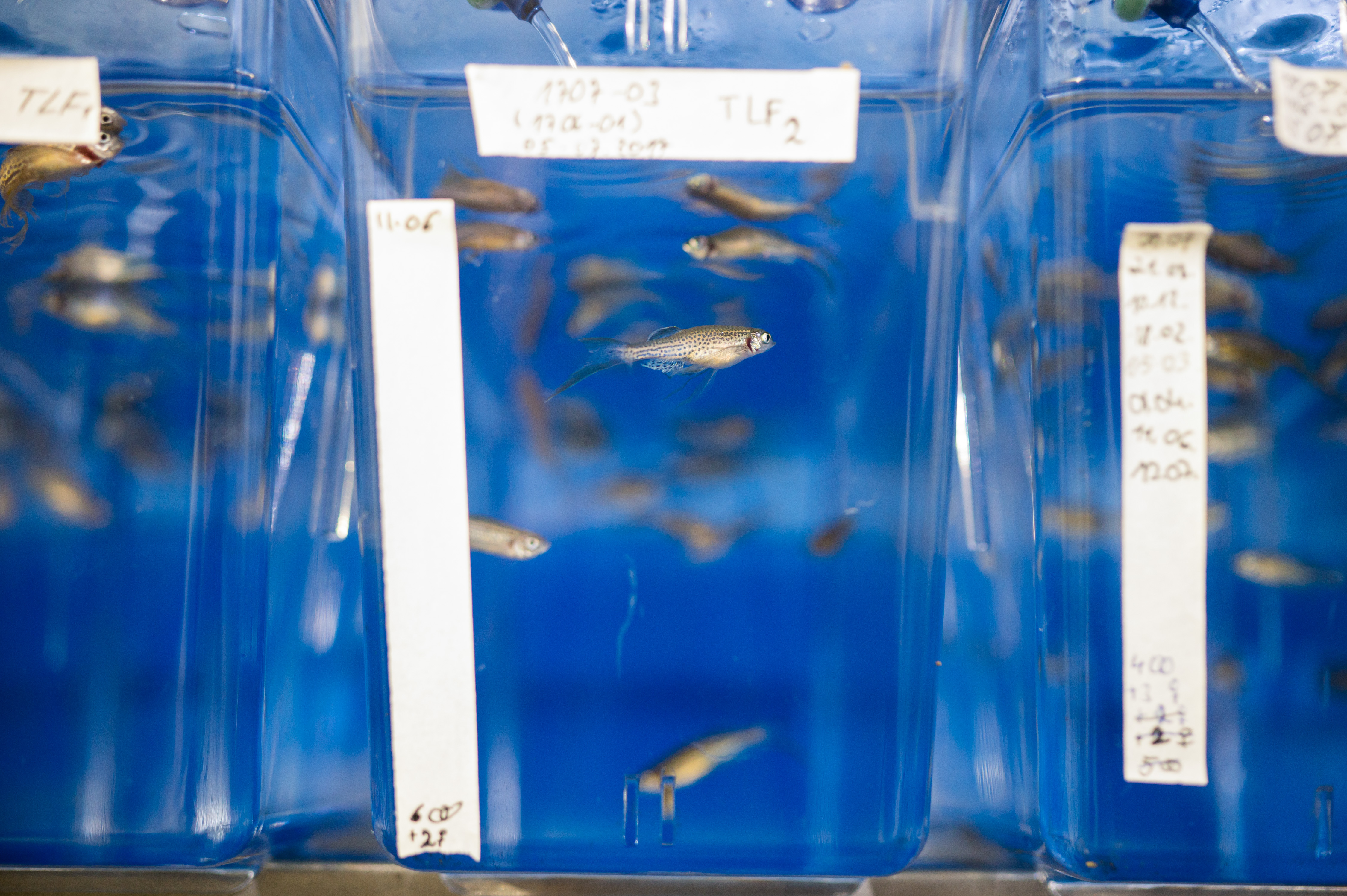
Zebrafish (Danio rerio) are one of the most important non-mammalian vertebrate model organisms. Especially the larvae are of interest as the embryonic development is very rapid, and the larvae are relatively large, robust, and transparent.
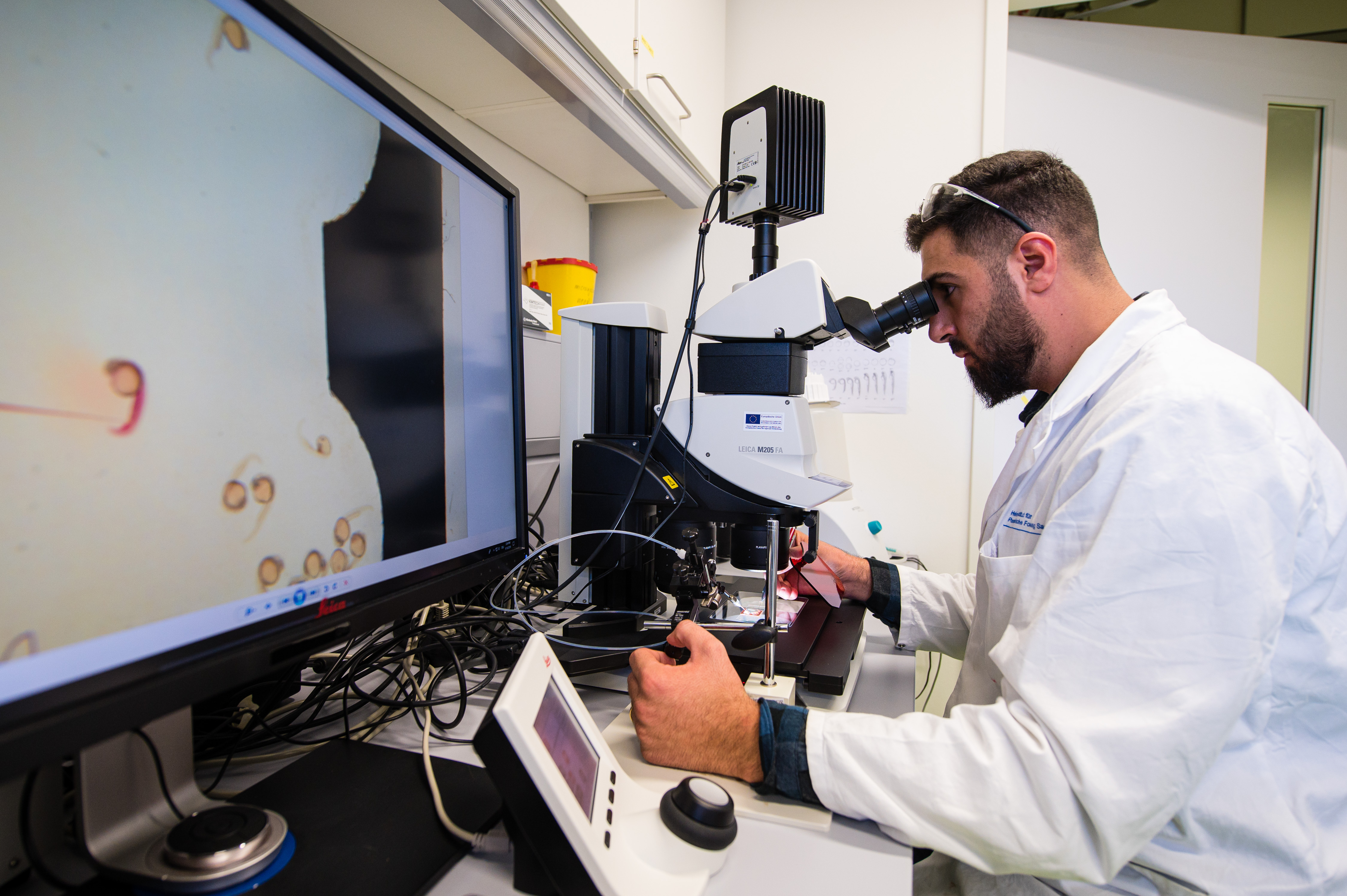
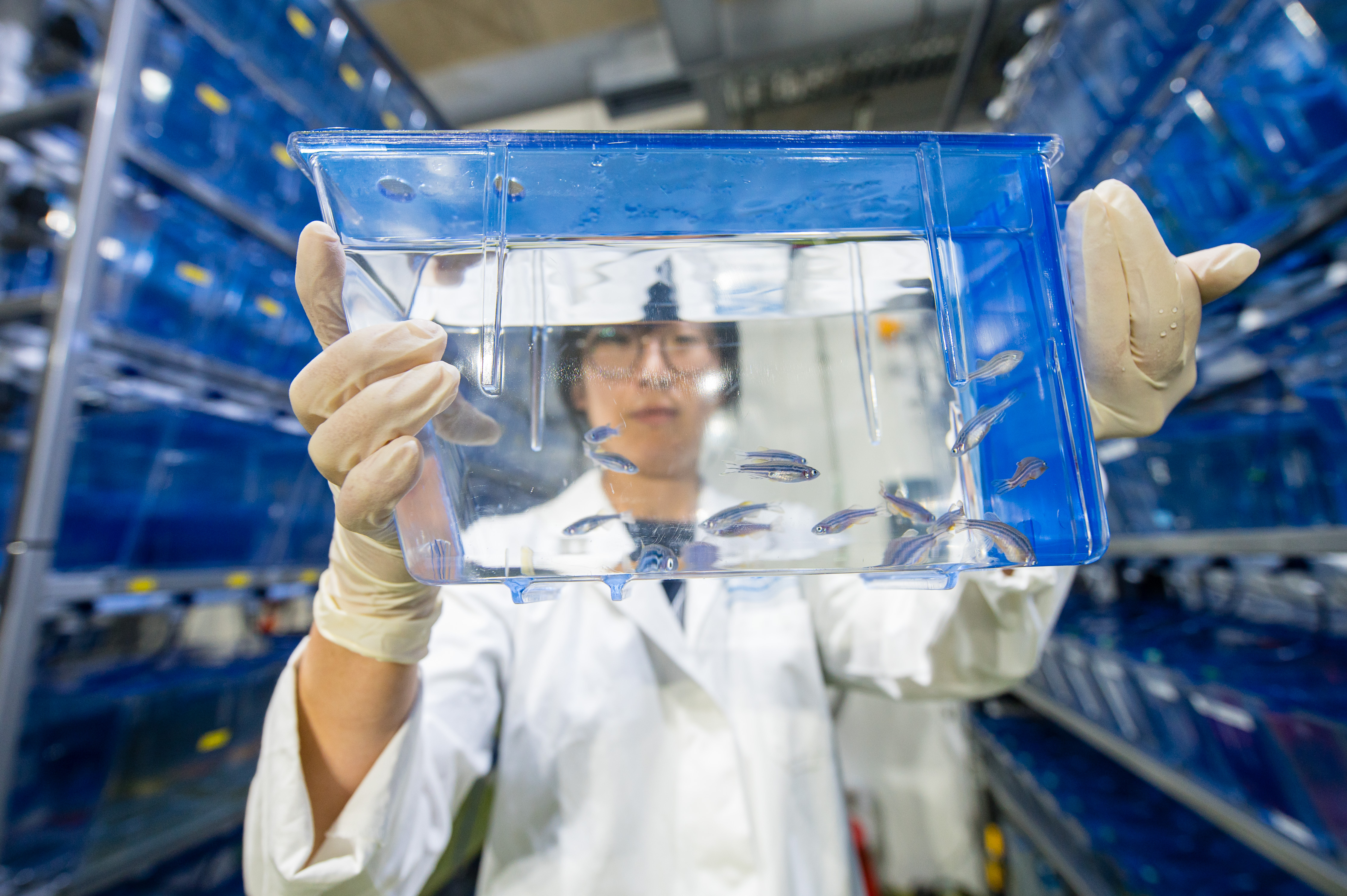
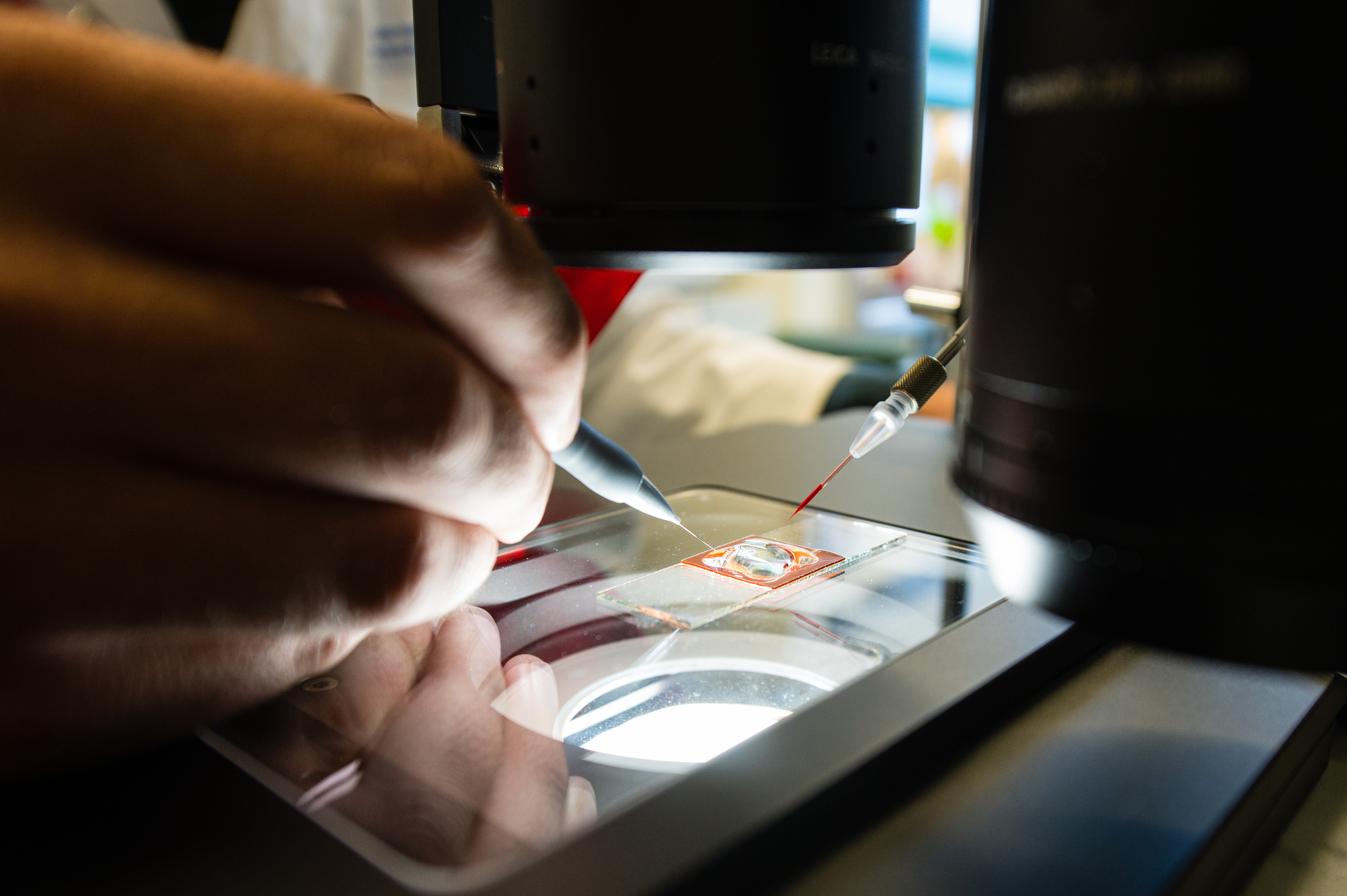
Since 2017, the Zebrafish Facility at HIPS is fully functional. It has a system volume of 3,500 liters and a total capacity of > 25,000 animals. Two wild type strains as well as several mutant or transgenic models are currently available. In our BSL2 laboratory, two microinjection stations comprising of fluorescent stereomicroscopes with pressure injectors and micromanipulators are available.
At HIPS, we mainly use the zebrafish larvae for studying natural products for their potential toxicity, maximum tolerated concentration (MTC), and importantly, we developed a number of infection models for early in vivo screening. As part of drug metabolism and pharmacokinetic (DMPK) studies, we recently established a method for studying the spatial distribution of compounds and their metabolites in zebrafish larvae using Mass Spectrometry Imaging (MSI).