Analytics
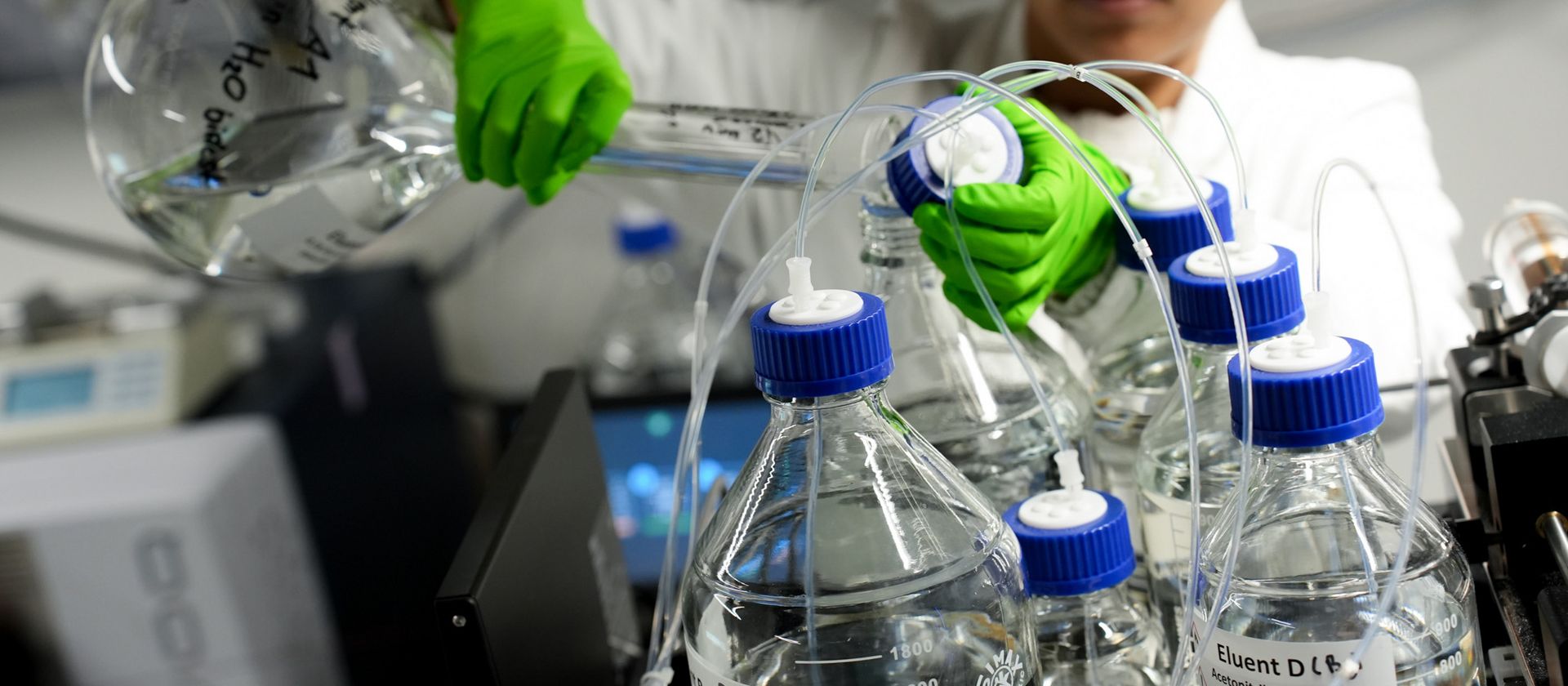
The HIPS Technology Analytics provides a state-of-the-art infrastructure for analyzing complex biological and chemical samples. It is centered on advanced mass spectrometers coupled to modern liquid chromatography systems and complemented by specialized extraction, fractionation, and biophysical analysis methods. Additionally, multiple preparative chromatography systems with and without mass spectrometer coupling are available for purification of natural products. Structure elucidation is then facilitated by multiple NMR-spectrometers (see HIPS Technology NMR).
The platform enables high-resolution separation, detection, and characterization of molecules, including high-throughput analysis and efficient, reproducible sample preparation. Biophysical techniques such as SPR and ITC further provide detailed insights into molecular interactions and binding affinities.
Together, these technologies form an integrated platform for the identification, characterization, and functional analysis of bioactive compounds, supporting drug discovery at HIPS.
A substantial part of the equipment was funded by the European Regional Development Fund (EFRE) and the state of Saarland.

Mass spectrometry coupled with liquid chromatography
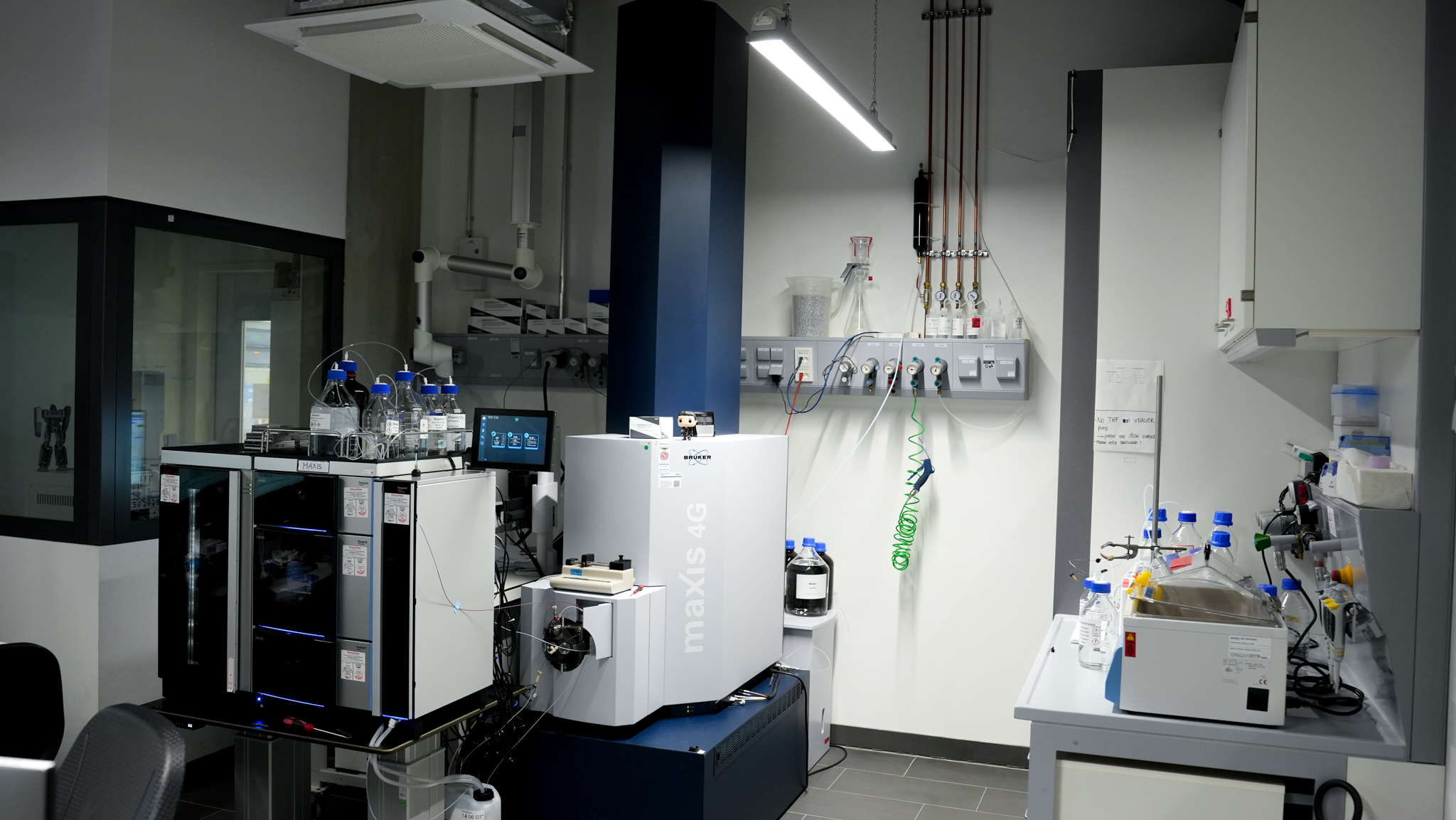
maXis UHR-QTOF with Vanquish LC
The ultra-high resolution TOF platform for fast and accurate analysis of natural products from complex mixtures. Nowadays, new chemistry from microbes is often hiding within rich secondary metabolomes, and thus demands for comprehensive mass spectrometry datasets are rising steadily. That’s when our maXis TOF helps us finding the needle inside the haystack on a daily basis.
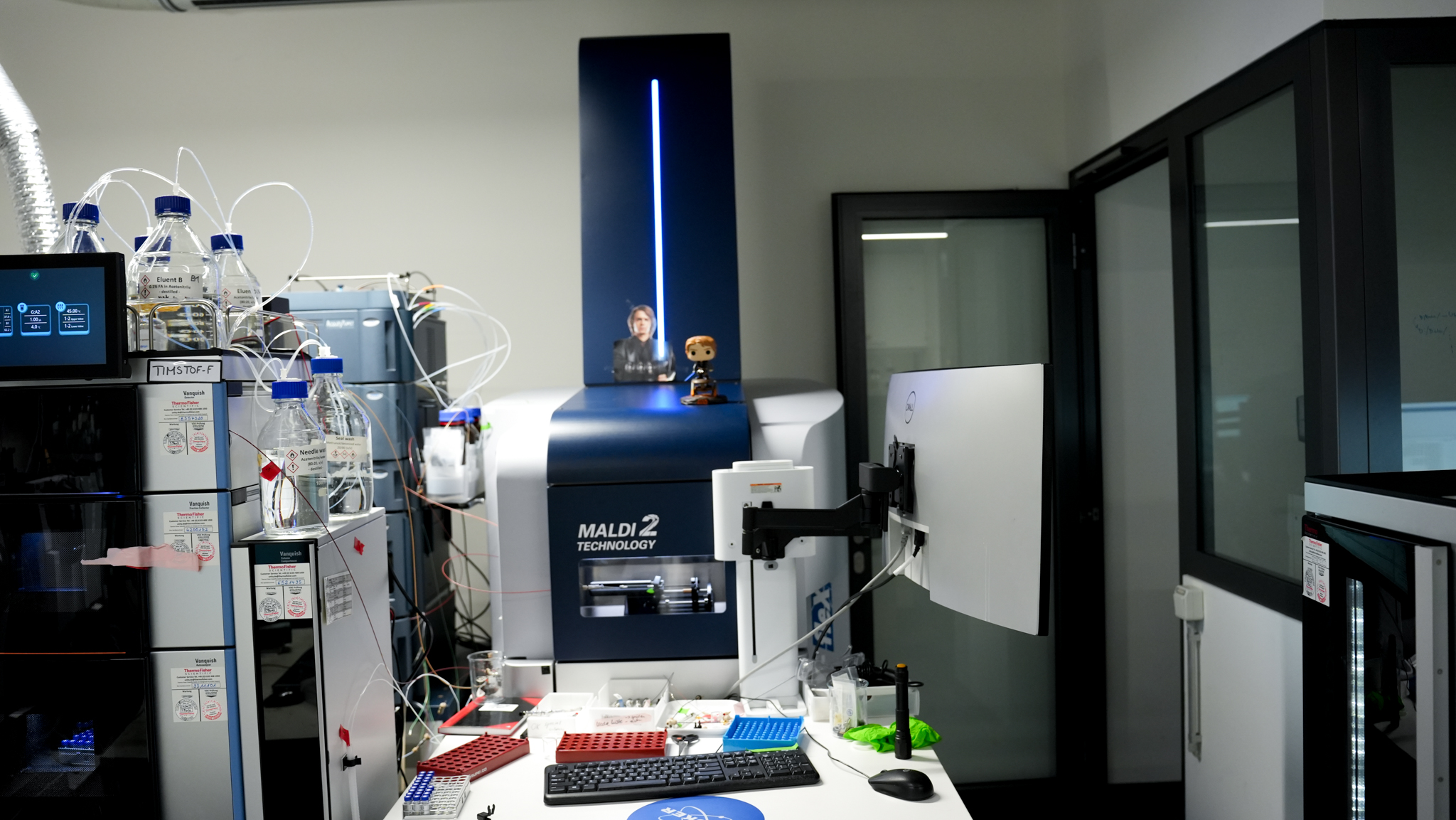
timsTOF-Flex with Vanquish LC, LCJet, and UPC2
The powerful mass spec workhorse that combines TOF resolution with additional trapped ion mobility capability. Covers a wide range of applications from comprehensive profiling for the identification of new myxobacterial metabolites, to micro-fractionation of natural products for creation of extensive screening libraries. In-built MALDI-imaging function on top, and at times also coupled to supercritical chromatography.
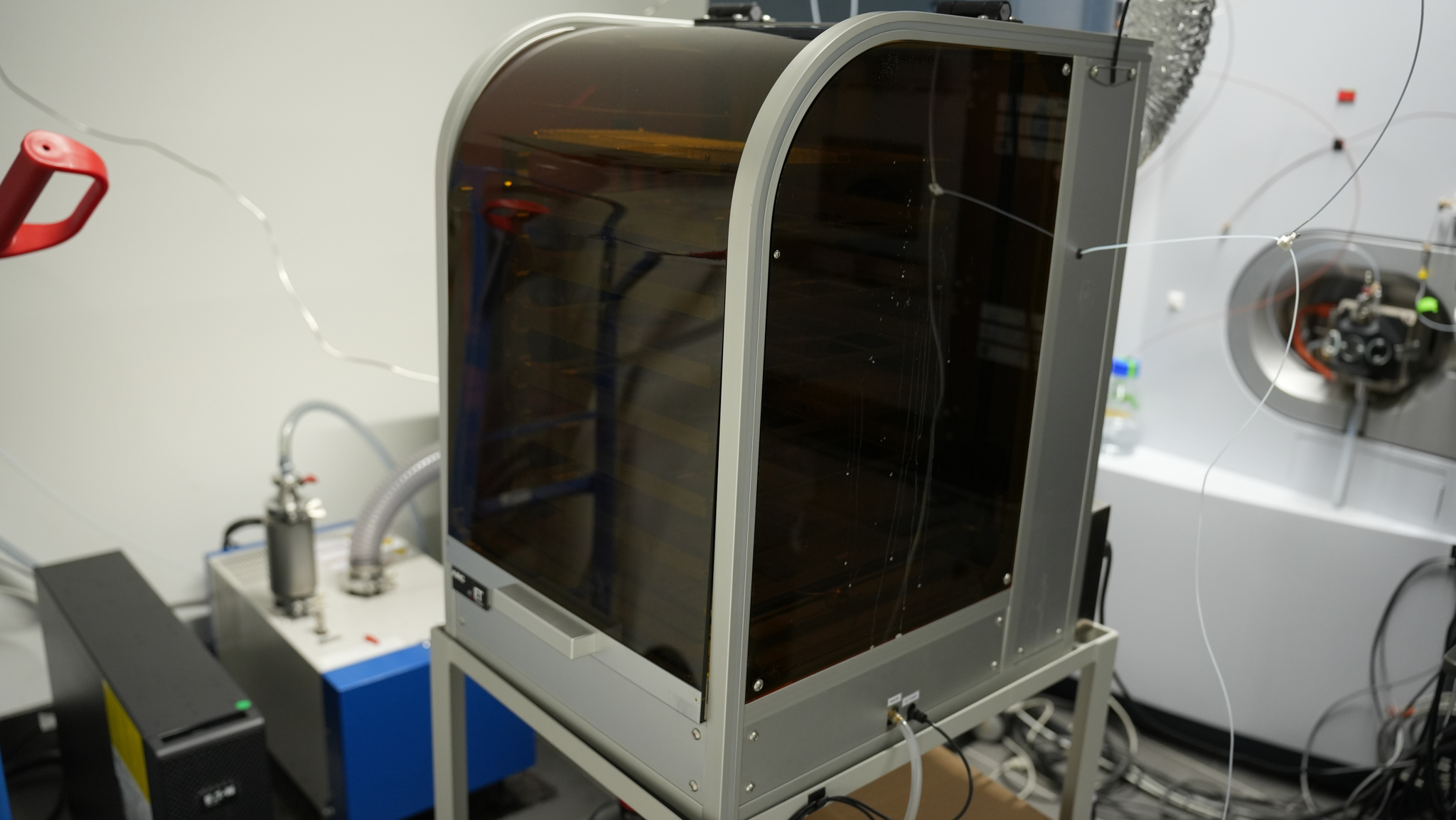
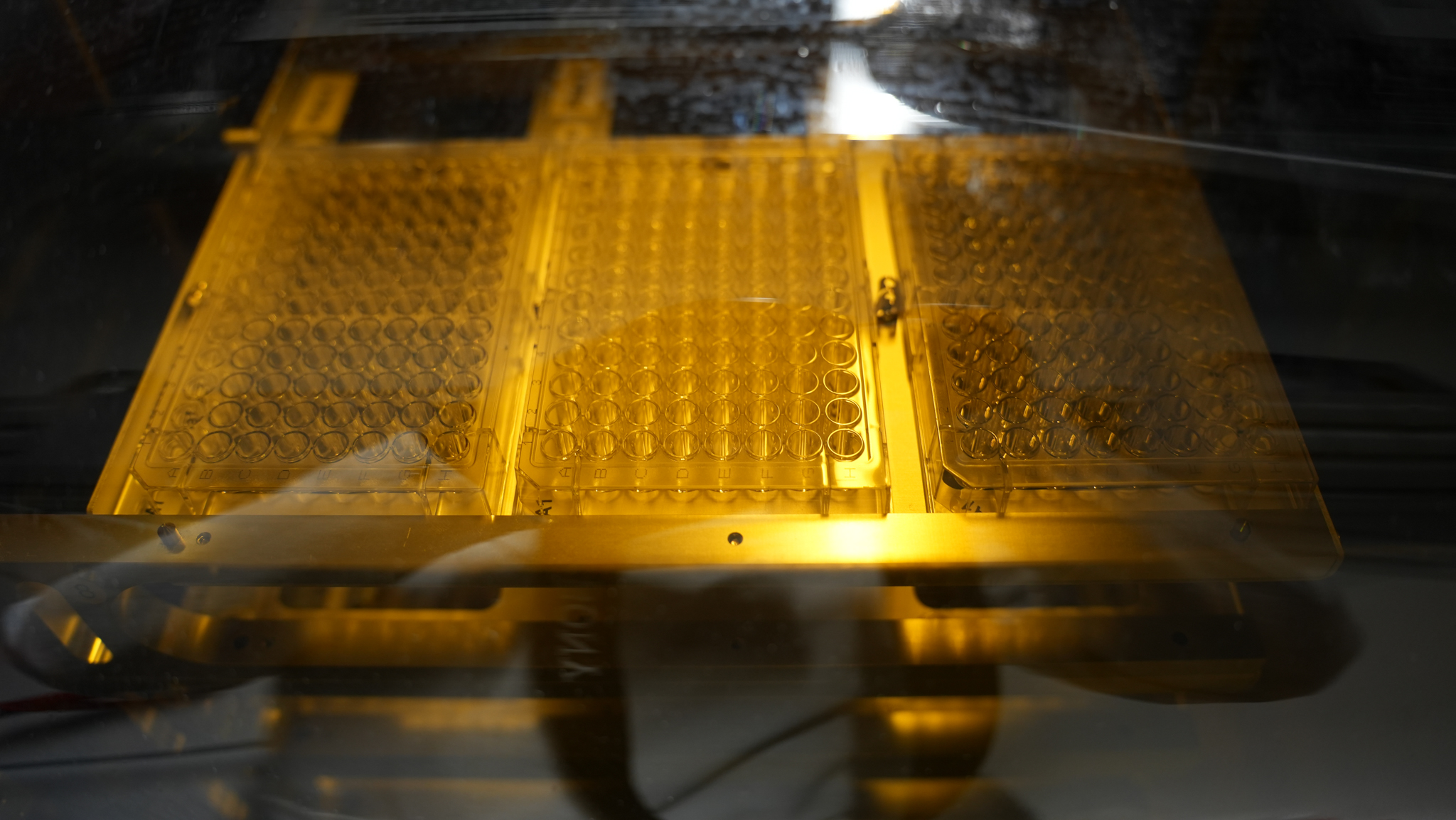
AIM Research Fraction Collection System LCJet
The LCJet is a highly automated fraction collection system for separating and collecting HPLC eluates into microtiter plates, used for isolation of bioactive natural products from complex extracts.
The system is directly coupled to HPLC and a high-res MS system. Fractions are collected based on time or signal and precisely dispensed into microtiter plates (96-, 384-, 1536-well). A robotic dispensing head minimizes carry-over and enables small, defined fraction volumes.
The LCJet generates high-resolution fraction libraries and serves as an interface between chromatographic separation and downstream bioassays and analytical workflows.
Key features:
- Automated fractionation of HPLC eluates
- Processing of up to 48 plates per run
- Time- and signal-based fraction collection
- Precise, low-volume fractionation
- Reduced carry-over via optimized dispensing
- Direct integration into bioassays and MS workflows
- Supports high-throughput applications
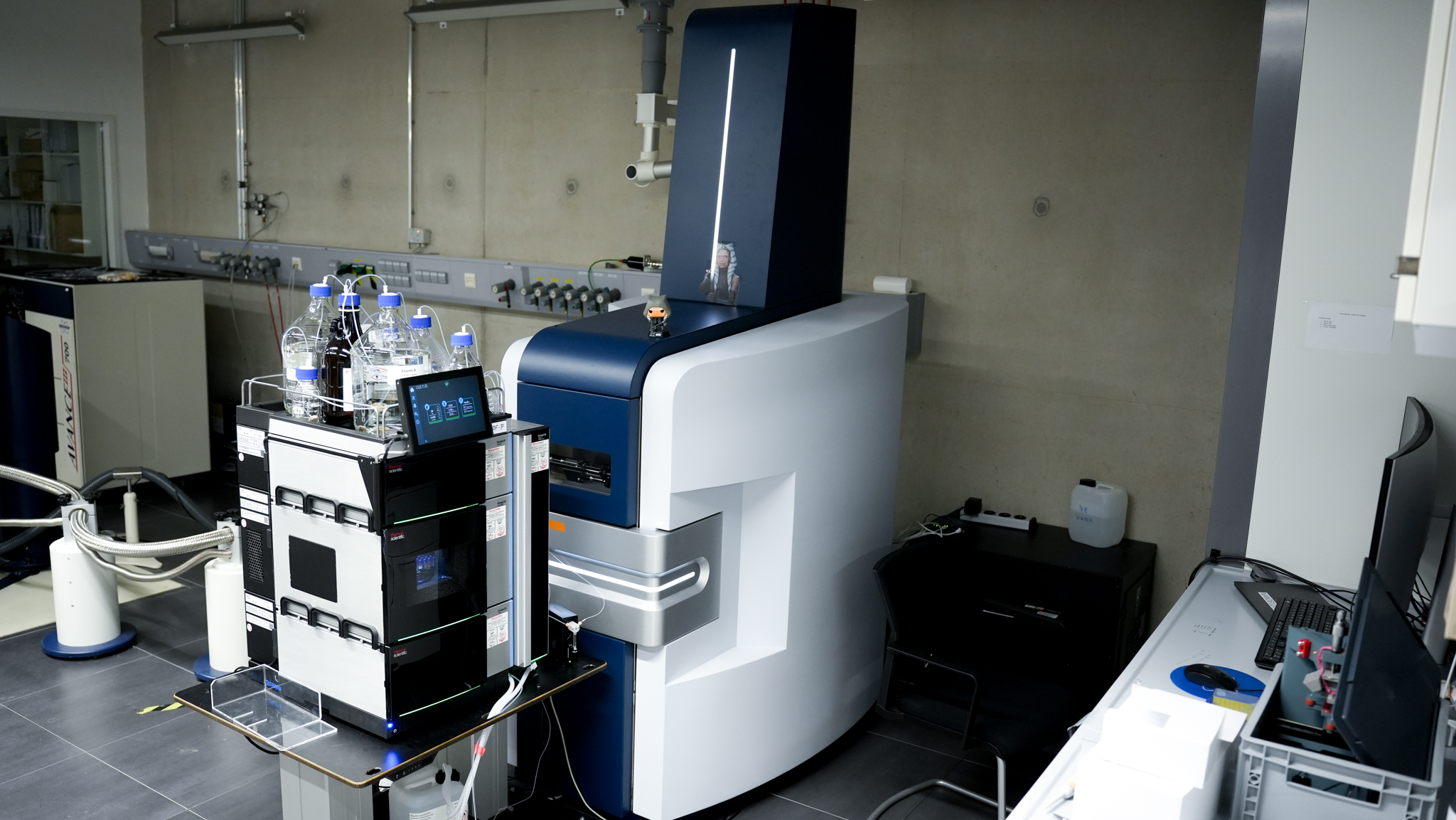
timsTOF-Pro with Nano-Elute
The high-resolution proteomics platform, enabling us to leverage nano-LC coupling for in depth profiling of microorganism proteomes in search for novel targets and modes-of-action.
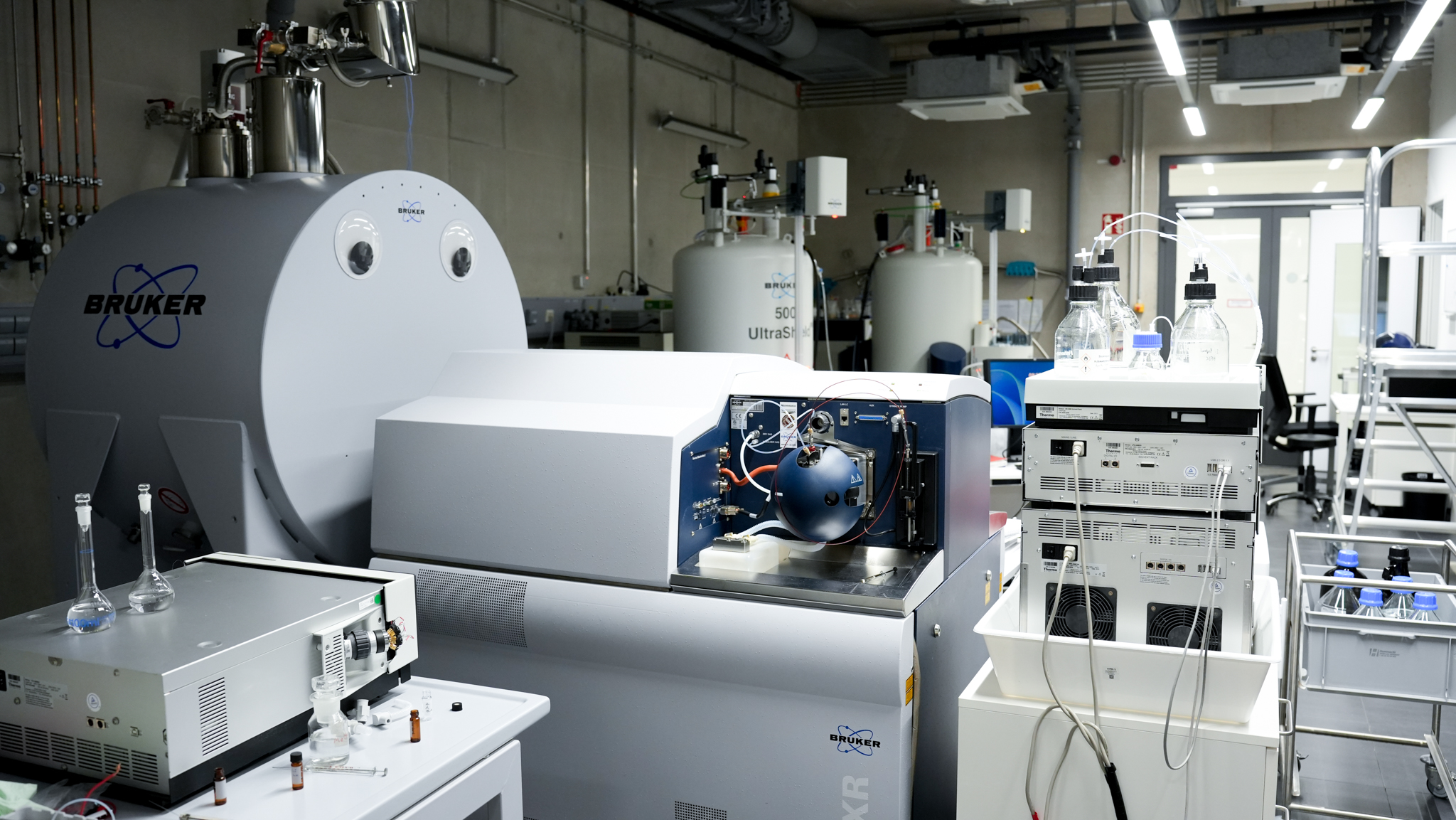
Solarix with LC
Our exceptionally powerful Fourier-transform ion cyclotron mass spectrometer delivers incredibly high resolution and sensitivity for LC-coupled, direct infusion and MALDI-imaging experiments. Takes the guesswork out of the challenge to define sum formulae for unknown analytes and also allows to determine binders of proteins.
MALDI Biotyper Sirius GP
The MALDI Biotyper Sirius SP is a mass spectrometry-based system for rapid identification of microorganisms and quality control of microbial systems.
It uses MALDI-TOF MS to analyze ribosomal proteins and generate characteristic spectra that are matched against reference databases, enabling fast identification at species and strain level without DNA extraction.
It is used for taxonomic classification and verification of microbial identity and purity.
Key features:
- Rapid microbial identification
- Label-free analysis without DNA extraction
- Automated database matching
- Low sample consumption
- Expandable reference databases
- Functional insights (e.g., resistance)
- Integration into microbiological workflows

RapidFire High-Throughput MS with Revident QTOF
The RapidFire system combines automated sample handling with ultra-fast solid phase extraction-based separation and high-resolution QTOF MS detection.
By eliminating traditional LC, analysis times of ~20 seconds per sample are achieved. Fully automated plate handling enables continuous high-throughput operation.
It is a key platform for large-scale screening and AI-driven drug discovery.
Key features:
- High-throughput MS (seconds per sample)
- SPE-based ultra-fast separation
- Fully automated plate handling (96–1536 well)
- High-resolution QTOF detection
- 24/7 operation
- Reduced solvent consumption
- Ideal for AI-driven data generation
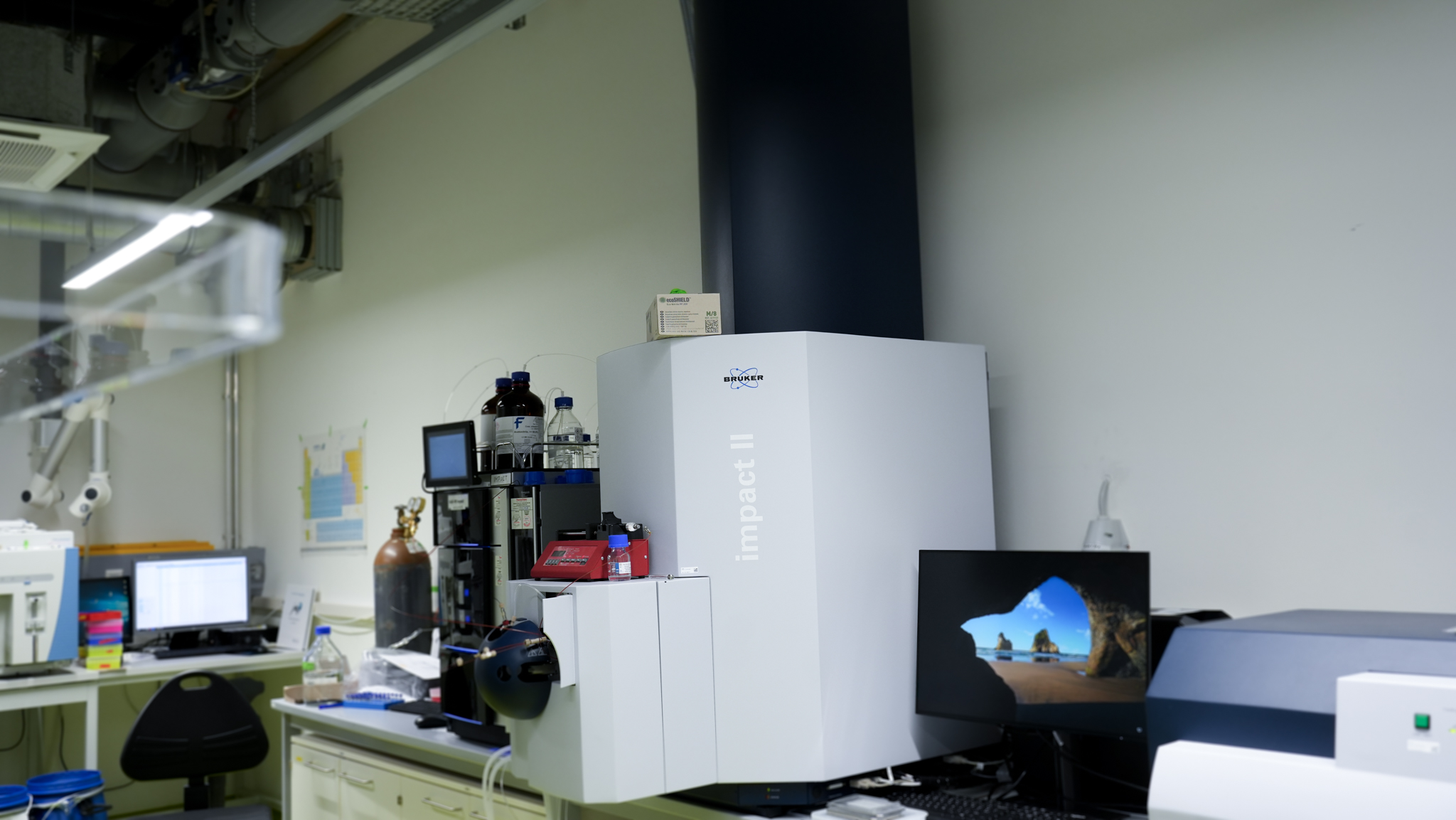
Impact II QTOF with Vanquish UHPLC
The Impact II is a high-resolution QTOF MS system coupled with UHPLC for analysis of complex biological samples.
It combines quadrupole selection with TOF MS/MS, enabling accurate mass measurements and detailed fragmentation for both targeted and non-targeted analysis.
It is used for natural product analysis, metabolomics, and structure elucidation.
Key features:
- High-resolution QTOF MS/MS
- UHPLC-coupled separation
- Targeted and non-targeted workflows
- High sensitivity and mass accuracy
- Supports structure elucidation
- Compatible with metabolomics software
- Integration into existing LC-MS infrastructure
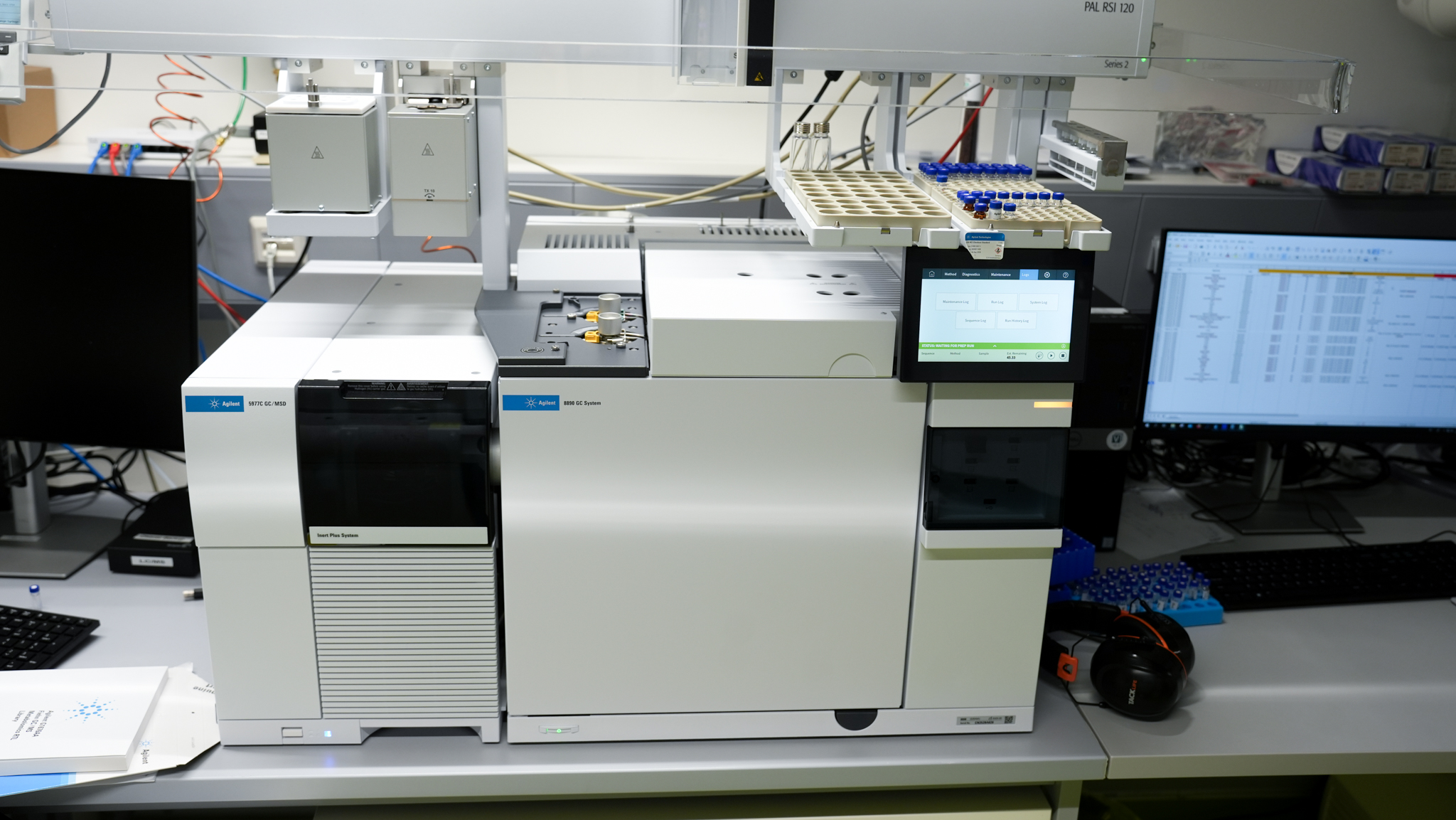
Gas Chromatography–Mass Spectrometry (GC-MS)
The GC-MS system (Agilent 8890 GC with 5977C MS & PAL3 Autosampler) is used for analysis of volatile and semi-volatile compounds, complementing the analytical infrastructure for natural products, fatty acids, and microbial metabolites.
It combines gas chromatographic separation with mass spectrometric detection. Compounds are separated on appropriate stationary phases (including chiral columns) and identified based on characteristic fragmentation patterns. Automated injection and retention time locking ensure high reproducibility.
The system is used for analysis of volatile natural products, terpenes, and fatty acid profiling, complementing LC-MS-based methods within the workflow.
Key features:
- GC-MS coupling for volatile and semi-volatile compounds
- High selectivity through chromatographic separation
- Identification via MS fragmentation and databases
- Analysis of complex mixtures and isomers
- Chiral separation capability
- Automated sampling (PAL3)
- Reproducible retention times (RTL)
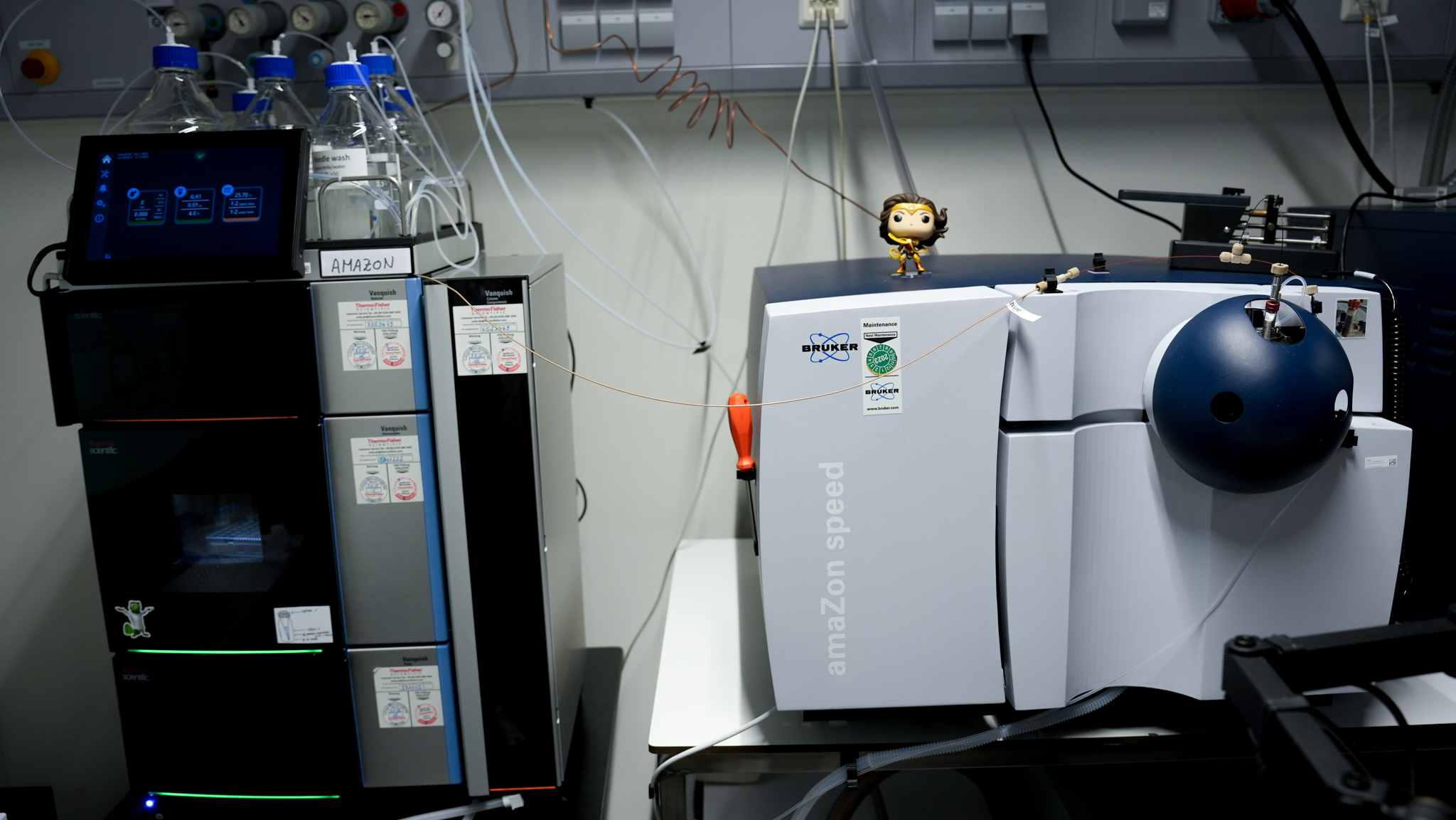
Amazon with Vanquish LC
As the all-round powerhouse with versatile measurement modes, the amazon 3D iontrap supports high numbers of users with mass spec readouts for their experiments on a self-service platform. Notable is also the quick possible switch between positive- and negative-detection mode, allowing to quickly cover also hard to ionize compounds.
EVOQ with Vanquish LC
For precise quantitation with increased sensitivity, we use a modern LC coupled to the EVOQ curved triple-quadrupole MS instrument. This combination allows for high-throughput robust quantification of compounds in complex matrices.
Extraction and Fractionation
BÜCHI/Biotage
Chromatographic separation using the Büchi system is often the first step in the purification of natural products from crude extracts. For this purpose, the LC system can be operated using either normal-phase or reverse-phase chromatography. Although several additional steps are required to obtain the pure natural product, the Büchi system is highly effective at fractionating large volumes of extract in a short amount of time.
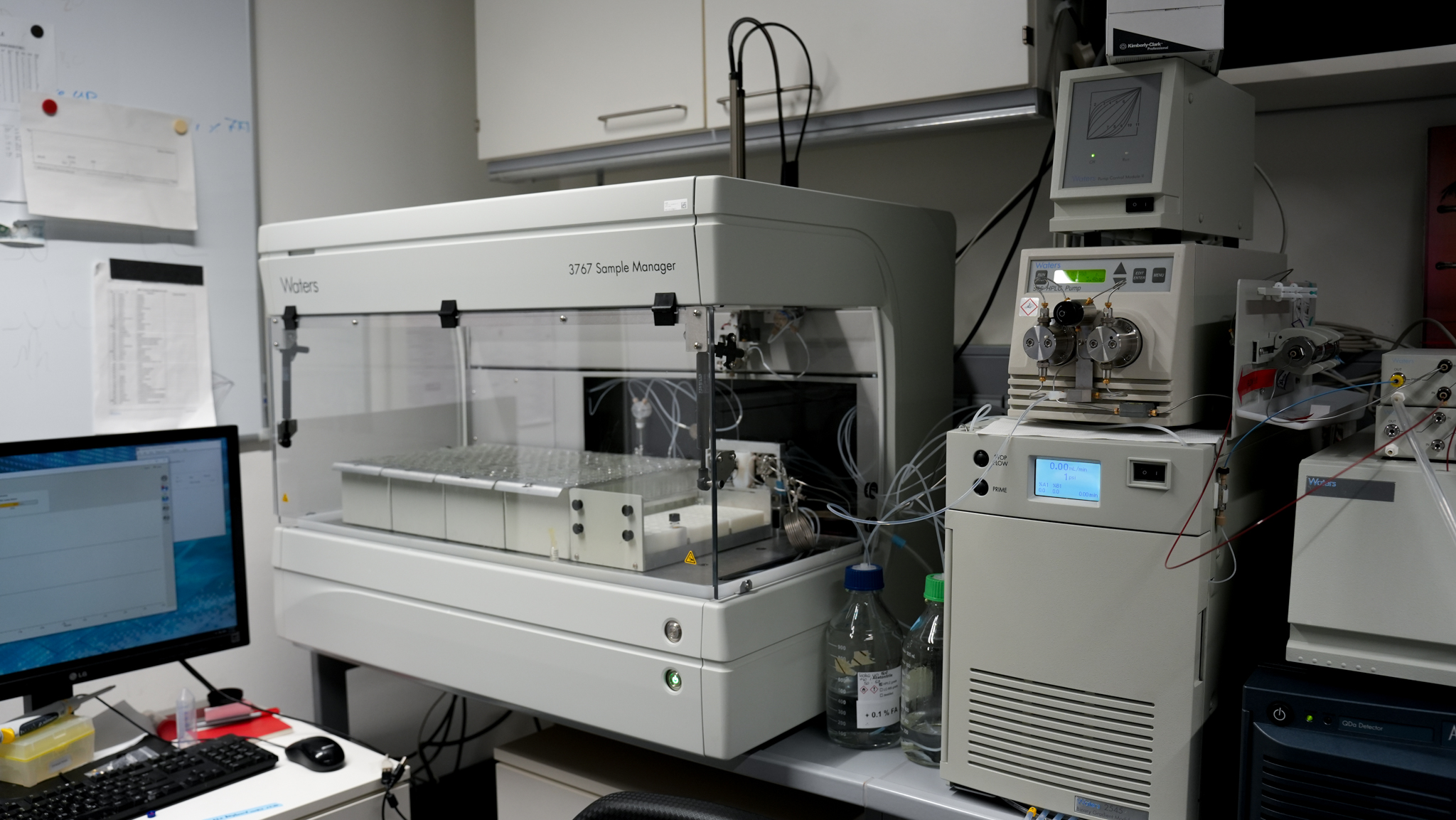
Waters Prep AutoPurification LC-MS
When it’s about a few milligrams more of the compound of interest to be purified, the AutoPurification system allows for running higher capacity columns, all with real-time mass spec monitoring of the fractionation through the QDa detector.
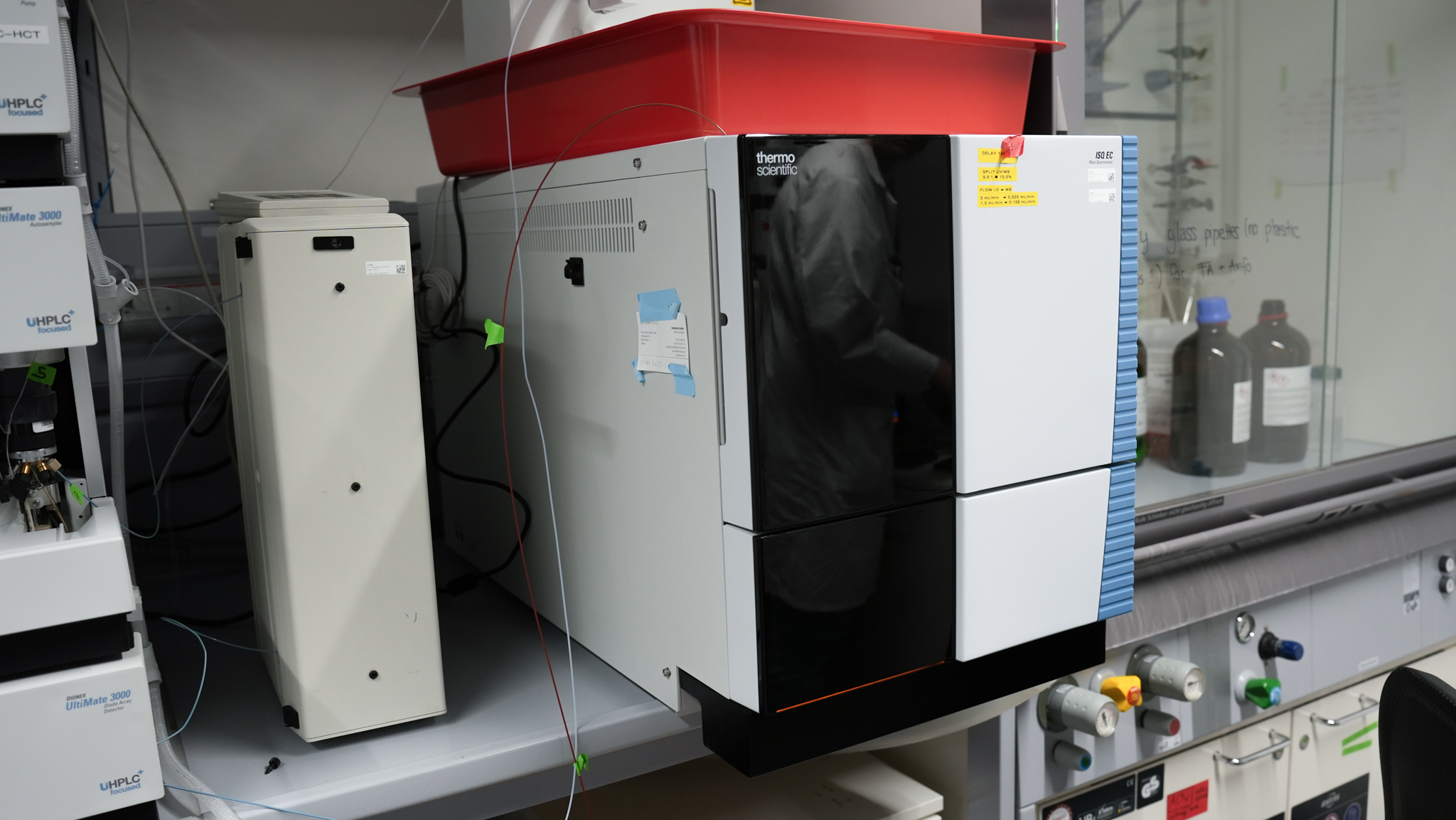
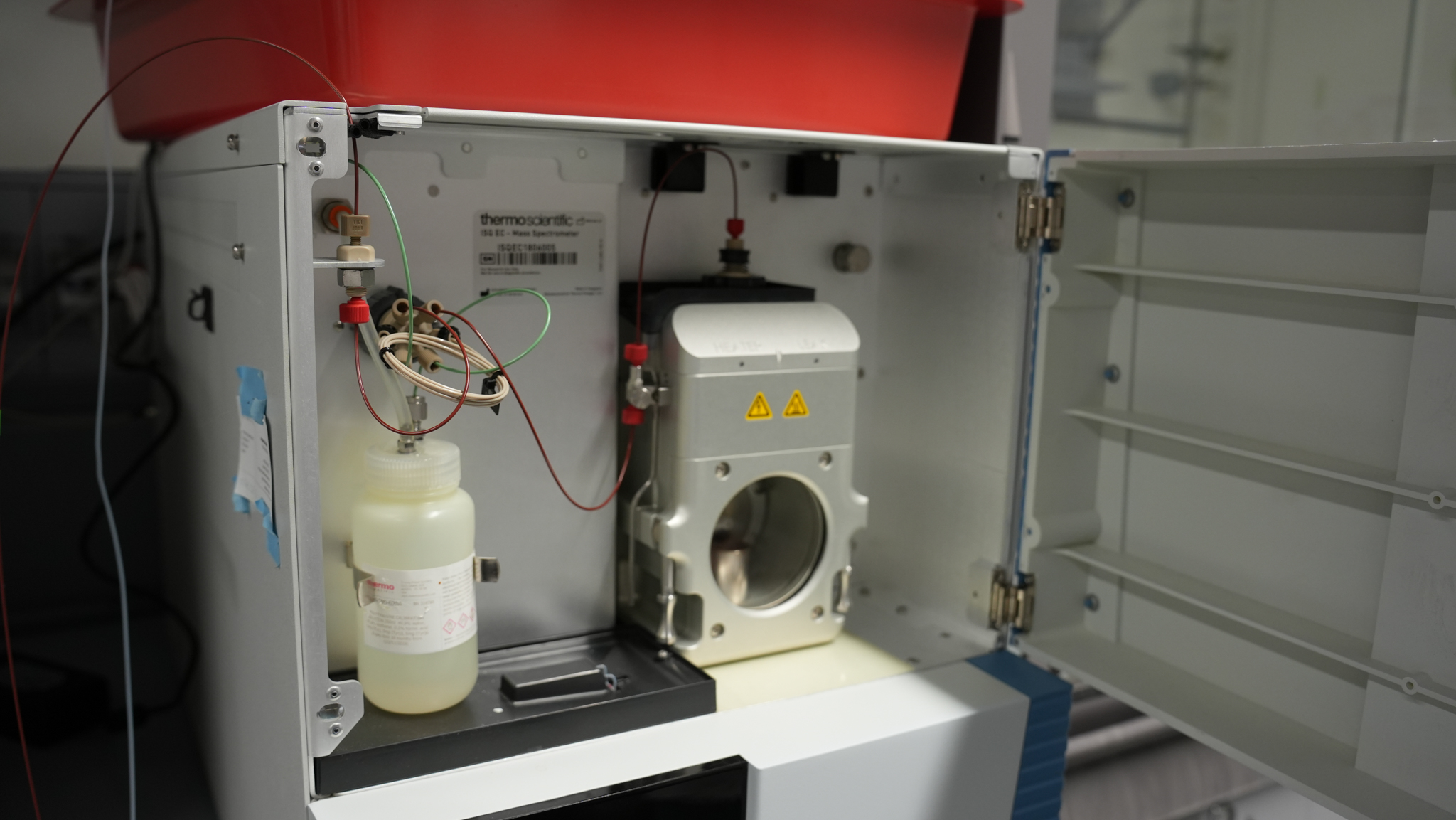
ISQ EM Single-Quadrupole MS with Semiprep LC
The ISQ EM is a single-quadrupole mass spectrometer coupled with semipreparative LC for targeted purification and identification of natural products.
It combines chromatographic separation with MS detection and enables mass-triggered fractionation for selective isolation of target compounds in real time.
It is used to purify compounds for structural and biological analysis.
Key features:
- LC-MS-based analysis and purification
- Mass-triggered fractionation
- Selective isolation from complex matrices
- High efficiency at low concentrations
- Integration into Chromeleon workflows
- Basis for structural and bioassay studies
Supercritical Fluid Chromatographie (SFC)
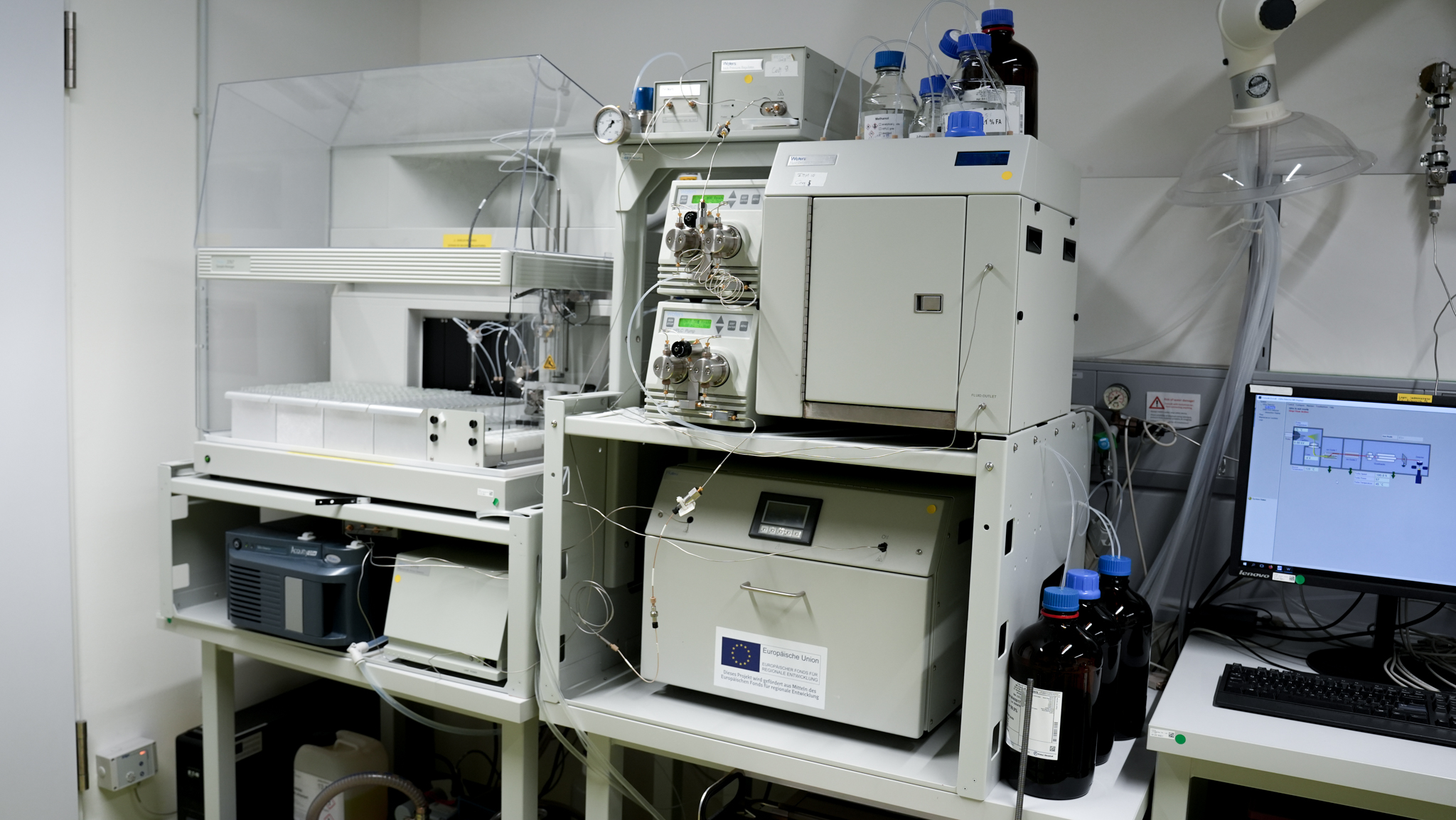
Reversed-phase LC is not always everything: supercritical fluid chromatography (Waters SFC chromatography system Prep 15) brings a powerful orthogonal separation technique into the compound purification game. With high loading capacity and efficient separation of peaks, it is at times the solution when purification of novel natural products becomes a challenge using typical LC methods.
Supercritical Fluid Extraktion (SFE)
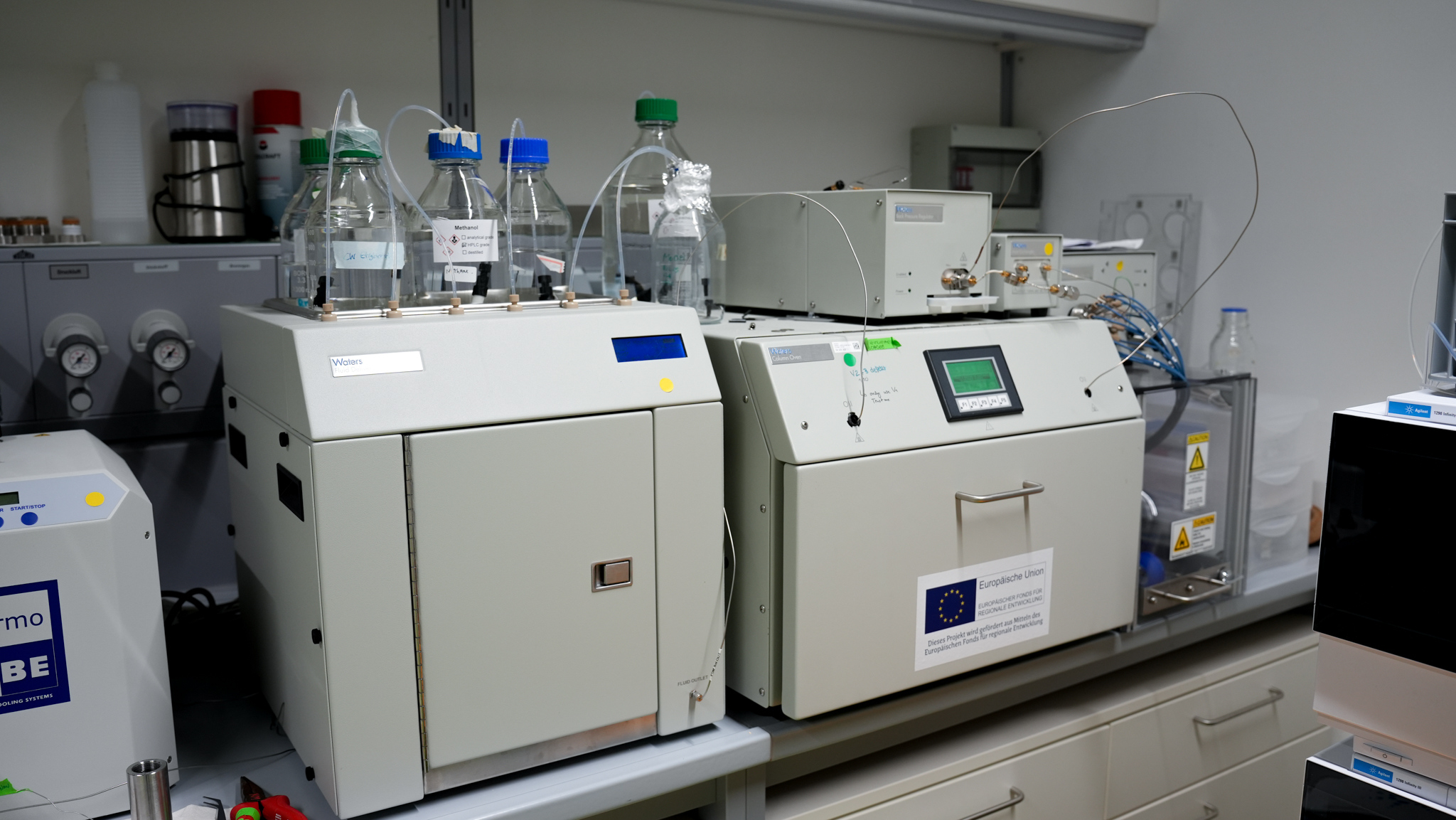
The Waters ASF MV-10 extraction system is a supercritical fluid extraction device that enables the selective and gentle isolation of natural products. It is frequently used in combination with the Waters SFC chromatography system, allowing extraction and subsequent separation to be efficiently linked. For myxobacterial extracts, this enables targeted fractionation and enrichment of bioactive metabolites of varying polarity.
Biophysical Analytics
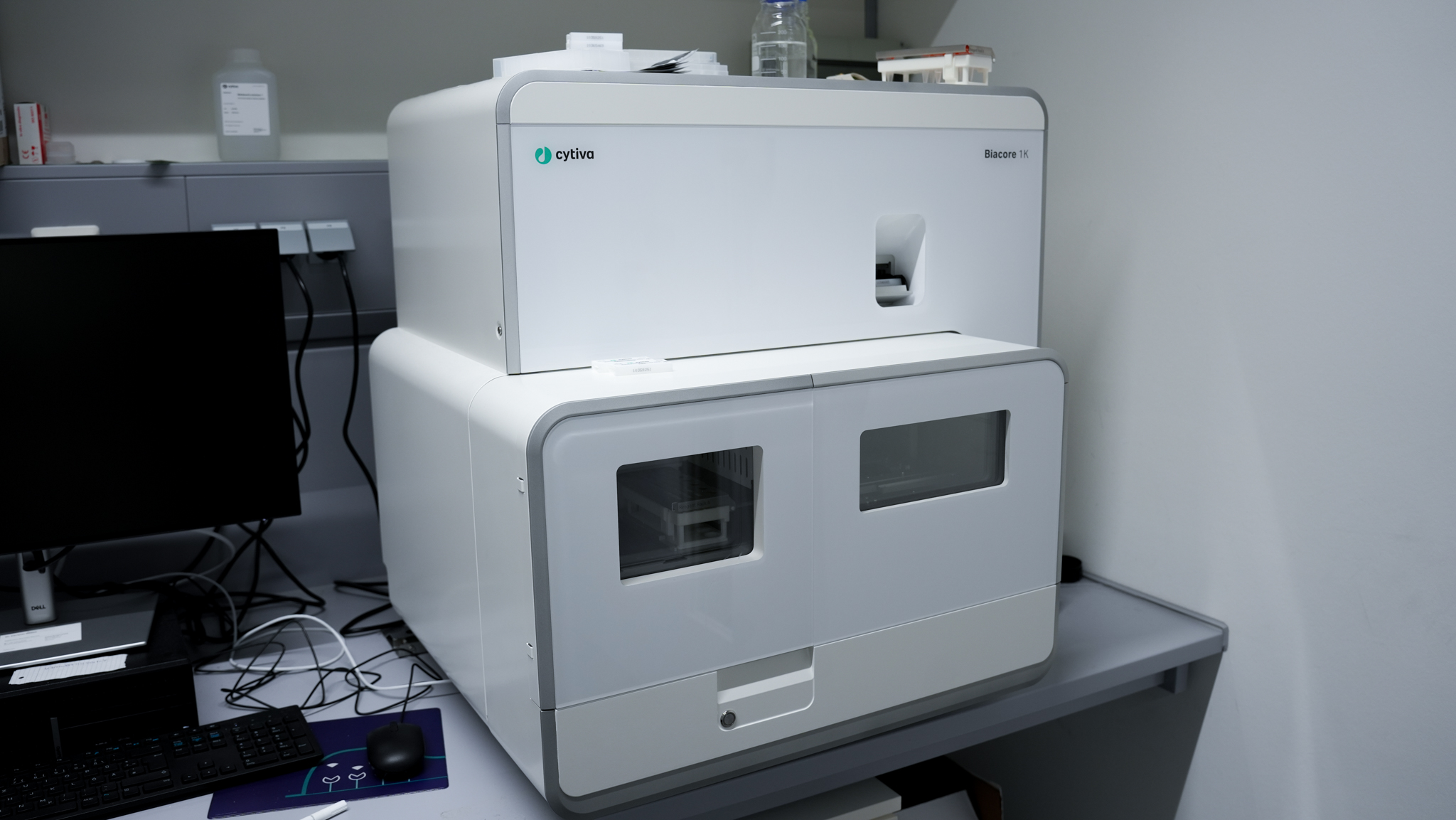
Surface Plasmon Resonance (SPR) – Biacore 1K
The Biacore 1K is an SPR system for label-free, real-time analysis of biomolecular interactions, designed for screening applications in early drug discovery.
The method detects refractive index changes at a sensor surface, allowing direct measurement of binding events without labeling. The system is optimized for large compound libraries with minimal sample consumption.
The Biacore 1K enables rapid identification of hit compounds and acts as an interface between screening and downstream characterization.
Key features:
- Label-free real-time detection (SPR)
- Suitable for large-scale screening
- Low sample consumption
- Detection of small molecules (fragment screening)
- Fast hit identification
- Integration into HTS workflows
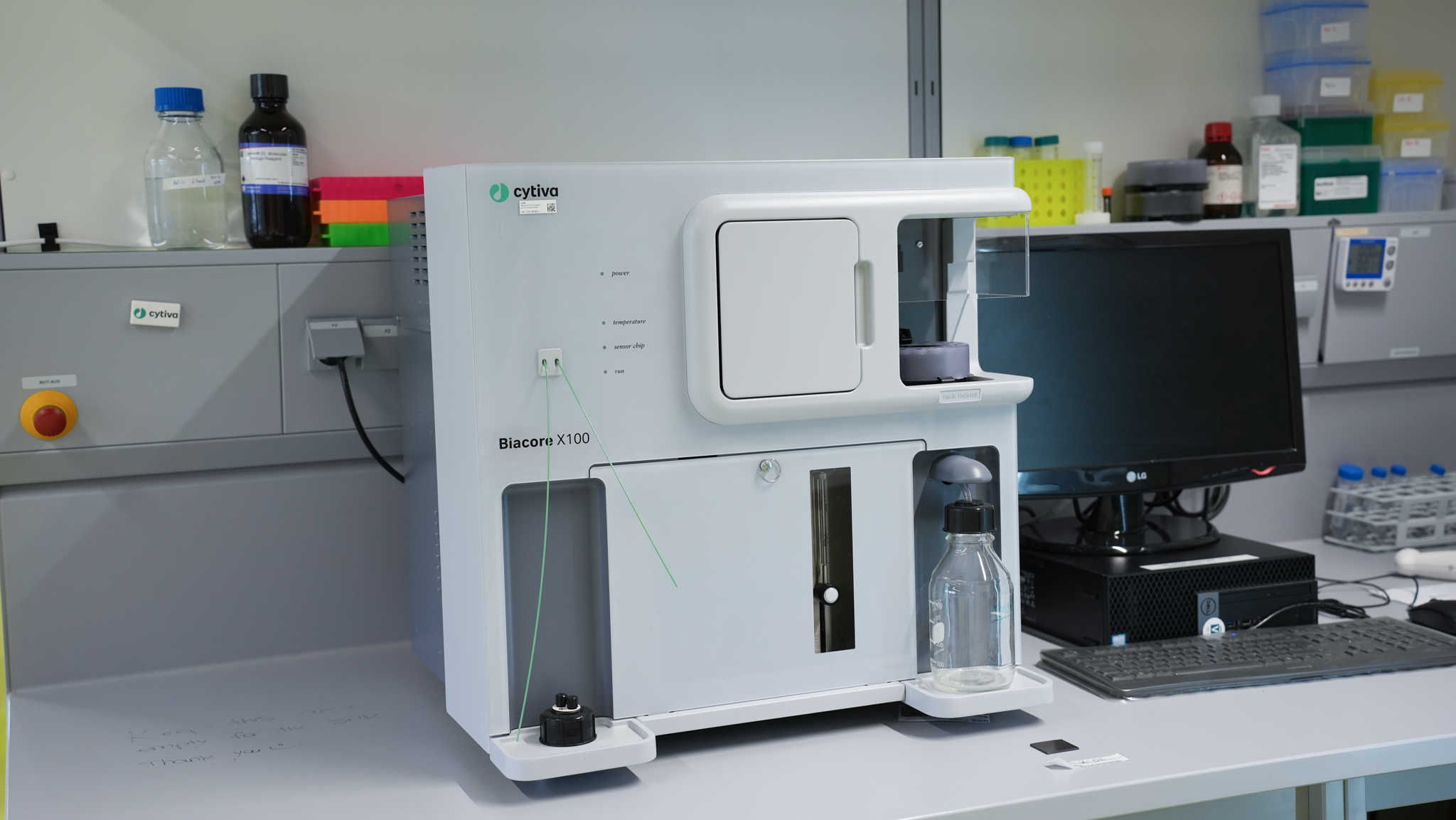
Surface Plasmon Resonance (SPR) – Biacore X100
The Biacore X100 is an SPR system for detailed kinetic and affinity-based characterization of biomolecular interactions.
It enables precise determination of binding kinetics (Ka/Kd), affinities, and concentrations (CFCA) using label-free real-time measurements. Compared to screening systems, it is optimized for in-depth quantitative analysis.
The system is used for detailed characterization and validation of hits, extending analytical depth in later drug discovery stages.
Key features:
- Quantitative kinetic and affinity analysis
- Label-free real-time detection
- Calibration-free concentration analysis (CFCA)
- High precision for hit validation
- User-friendly software with predefined workflows
- Complement to screening systems
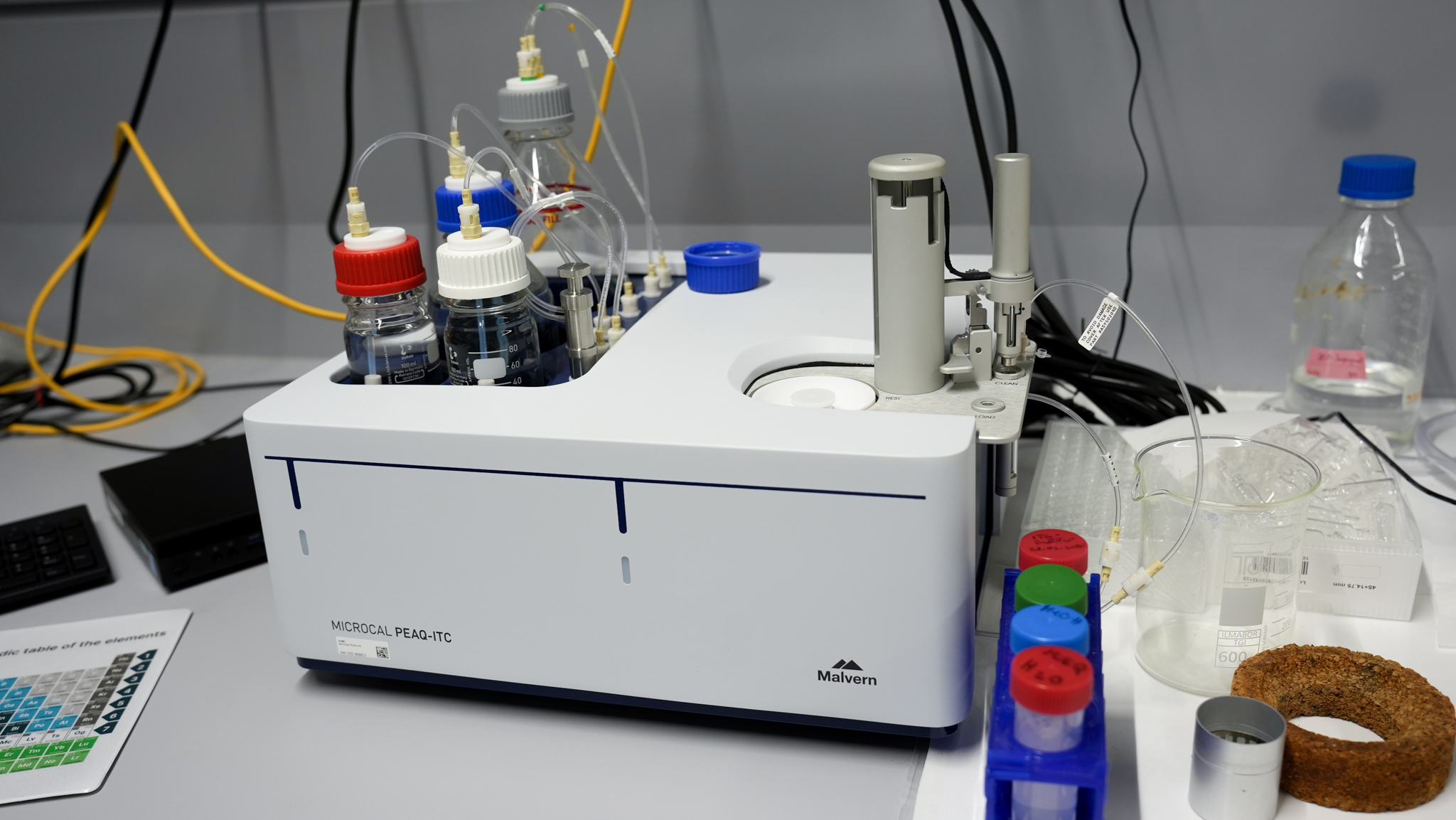
Isothermal Titration Calorimetry (ITC)
Isothermal titration calorimetry (ITC) is a biophysical method for direct, label-free analysis of molecular interactions.
The method measures heat changes during binding events, enabling determination of affinity and thermodynamic parameters (enthalpy, entropy) under native conditions.
ITC is used for comprehensive characterization of drug–target interactions and complements SPR by providing thermodynamic insights.
Key features:
- Direct, label-free interaction analysis
- Determination of affinity, enthalpy, and entropy
- Measurements under native conditions
- Versatile applications (proteins, DNA, lipids, ions)
- Complementary to SPR methods
- Supports rational drug optimization